
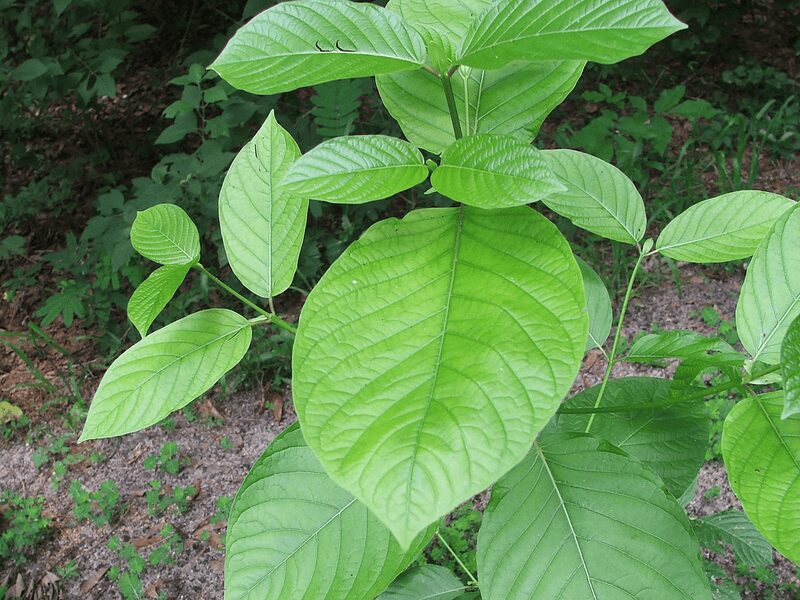
TL;DR: Yes, Kratom is currently legal to buy, sell, and possess in Washington state for individuals who are at least 18 years old. The state does not have a regulatory system in place, meaning there are no official requirements for product purity, testing, or labeling. Looking toward 2026, the legislative trend is focused on passing a form of the Kratom Consumer Protection Act (KCPA) to regulate the industry for safety, not on implementing a ban.
Kratom, derived from the leaves of the Mitragyna speciosa tree native to Southeast Asia, has seen a significant rise in popularity across the United States. In the Pacific Northwest, and specifically Washington, many residents use the botanical for various personal wellness goals. For centuries, it has been a part of traditional medicine in countries like Thailand and Malaysia, but its modern use in the West has placed it at the center of a complex public health and legal discussion.
This discussion is not about whether Kratom should exist, but how it should be managed. Federal agencies like the Food and Drug Administration (FDA) have expressed concerns regarding its safety profile, while advocacy groups like the American Kratom Association (AKA) champion regulation to ensure consumer safety. Washington state sits squarely in the middle of this debate. While the substance remains legal, the absence of state-level oversight creates an environment where consumer safety depends entirely on the ethics of individual vendors. The conversation in Olympia is slowly shifting from legality to regulation, a path that will define the future of the state’s Kratom market.
Is Kratom Legal in Washington?
As of June 2025, kratom is legal in Washington State for purchase, possession, sale, and use with no state-wide restrictions or age limits. Unlike states like Alabama, Arkansas, Indiana, Rhode Island, Vermont, and Wisconsin, where kratom is banned, Washington has not classified kratom as a controlled substance under the State of Washington Uniform Controlled Substances Act (RCW 69.50). This applies across all cities, including Seattle, Spokane, Tacoma, Olympia, and Everett, with no local bans in counties like King, Pierce, or Snohomish.
However, the absence of regulation raises concerns about product safety, as no government agency oversees the quality, purity, or labeling of kratom products in Washington. This unregulated status contrasts with states like Georgia, Arizona, and Utah, which have adopted the Kratom Consumer Protection Act (KCPA) to ensure testing, labeling, and age restrictions. Recent legislative efforts in Washington, including a proposed KCPA and a potential ban, signal an evolving landscape that consumers must monitor closely.
Current Legal Status of Kratom in Washington State
As of today, Kratom is legal throughout Washington. Adults aged 18 and older can legally purchase, possess, and use Kratom products without fear of state-level criminal penalties. This legal status applies uniformly across the state, from Seattle to Spokane, with no specific city or county bans currently in effect. Unlike a handful of other states or municipalities that have outlawed the substance, Washington has maintained a hands-off approach.
However, this legality comes with a major caveat: a complete lack of regulation. The state government does not oversee the production, testing, or sale of Kratom. This creates a “buyer beware” market where the quality and safety of products can vary dramatically. There are no state laws mandating that Kratom products be tested for contaminants like heavy metals, pesticides, or bacteria such as salmonella. Furthermore, vendors are not required to accurately label their products with alkaloid content, ingredient lists, or proper usage instructions. This regulatory vacuum places the burden of due diligence entirely on the consumer.
Age Restrictions and Local Ordinances
While the state has not passed a law specifying a minimum age to purchase Kratom, a de facto age limit of 18 or 21 is enforced by most responsible vendors. Smoke shops, vape stores, and specialized botanical retailers typically require identification to prevent sales to minors, aligning with industry standards for other adult products. Online vendors also commonly use age verification systems.
It is important to recognize that while no local bans exist right now, the legal landscape can change. City councils or county health departments have the authority to enact their own ordinances. Consumers should stay aware of local news and municipal government meetings, as a local jurisdiction could theoretically pass restrictions that are stricter than state law. For now, though, legality is consistent statewide.
Where to Purchase Kratom in Washington
Washington residents can find Kratom in a variety of retail locations. It is commonly sold at:
- Specialty Kratom or Kava Bars: These establishments often offer a more curated selection and knowledgeable staff.
- Smoke and Head Shops: These are the most common brick-and-mortar sources for Kratom.
- Vape Stores: Many shops that sell e-cigarettes and related products also carry Kratom powders and capsules.
- Convenience Stores and Gas Stations: While accessible, products from these locations are often of questionable quality and lack transparency.
Online vendors remain a popular option, frequently offering a wider selection and more competitive pricing. However, the risks of an unregulated market are amplified online, making it crucial for consumers to thoroughly vet any e-commerce seller before making a purchase.
The Push for Regulation: The Kratom Consumer Protection Act (KCPA)
The primary legislative movement concerning Kratom in Washington is not toward a ban, but toward sensible regulation. The main vehicle for this effort is the Kratom Consumer Protection Act (KCPA), a model piece of legislation drafted by the American Kratom Association. The goal of the KCPA is to protect consumers by establishing a clear regulatory framework for the industry, forcing all vendors to adhere to strict safety and quality standards.
The core tenets of the KCPA are designed to address the most significant risks of an unregulated market. Key provisions typically include:
- Prohibiting Sales to Minors: Formally making it illegal to sell Kratom products to anyone under the age of 18 or 21.
- Mandatory Product Labeling: Requiring all products to list their ingredients and the specific quantity of the primary alkaloids, mitragynine and 7-hydroxymitragynine.
- Lab Testing Requirements: Mandating that all Kratom products be tested by an independent third-party laboratory for dangerous contaminants, including heavy metals, bacteria, and other adulterants.
- Banning Dangerous Adulterants: Making it illegal to sell any Kratom product that has been mixed with controlled substances or other harmful agents.
By implementing these rules, the KCPA aims to legitimize the industry, drive out irresponsible vendors, and give consumers confidence that the products they purchase are safe and accurately represented.
Previous Legislative Attempts in Washington
Washington lawmakers have considered regulating Kratom in the past. During the 2023 legislative session, House Bill 1084 was introduced. This bill was a version of the KCPA, aiming to establish a regulatory program under the Washington State Department of Health. It included provisions for vendor registration, labeling standards, and prohibitions on selling contaminated or adulterated Kratom.
Unfortunately, HB 1084 did not advance out of committee and failed to become law. The reasons for legislative inaction can be complex, often involving competing priorities, lack of education on the topic among lawmakers, or budget considerations. Despite this setback, advocacy groups continue to work with legislators to reintroduce similar bills in future sessions. The groundwork has been laid, and the conversation is ongoing.
Why Regulation is Favored Over a Ban
The consensus among consumer advocates and many public health experts is that regulation is a far more effective approach than prohibition. An outright ban would likely drive the market underground, making it even more dangerous. An illicit market would have zero oversight, increasing the risk of contaminated products and removing any legal recourse for consumers. Furthermore, a ban would penalize responsible adults who use Kratom safely. Regulation, on the other hand, allows the state to maintain control, generate tax revenue, and ensure that consumers have access to safe, tested products.
What a 2026 Washington Kratom Law Might Look Like
Predicting the exact details of future legislation is always speculative, but based on trends in other states and previous attempts in Washington, we can form a clear picture of what a 2026 Washington Kratom law would likely entail. The most probable outcome is the eventual passage of a bill modeled closely on the Kratom Consumer Protection Act.
If such a law were enacted by 2026, it would fundamentally change the Kratom market in Washington. Consumers would benefit from enhanced safety and transparency. Products on shelves would be required to have clear labels detailing alkaloid content and confirming they have passed lab tests. This would empower buyers to make informed decisions and avoid potentially harmful products. The trade-off might be a slight increase in price, as vendors would need to cover the costs of compliance, including lab testing and registration fees.
For vendors, the new law would introduce a set of operational requirements. They would likely need to register with a state agency, pay an annual fee, and maintain detailed records of their product testing. Any business failing to comply would face significant penalties, including hefty fines and the potential loss of their ability to sell Kratom in the state.
The Role of a State Regulatory Agency
A key component of any KCPA-style law is designating a state agency to oversee its implementation and enforcement. In the case of Washington, the most likely candidates would be the Washington State Department of Health (DOH) or the Washington State Department of Agriculture (WSDA). The DOH would be a logical choice given the public health focus of the legislation. The WSDA could also be a candidate, as it already oversees food safety and purity standards for other agricultural products. The chosen agency would be responsible for creating specific rules, managing vendor registrations, and conducting inspections.
Potential Penalties for Non-Compliance
To ensure the law has teeth, a future Washington Kratom law would include a clear penalty structure. Based on KCPA models in other states, penalties for non-compliance would likely be tiered. A first offense, such as a minor labeling error, might result in a warning or a small fine. However, more serious violations, like knowingly selling a product contaminated with salmonella or heavy metals, would carry severe consequences. These could include fines of several thousand dollars per violation, product seizures, and criminal charges in the most egregious cases.
Federal vs. State: How National Actions Could Impact Washington
While Washington lawmakers debate state-level regulation, the federal government’s actions loom large over the entire industry. The legal status of Kratom in Washington is ultimately subject to federal law due to the Supremacy Clause of the U.S. Constitution. If a federal agency were to ban Kratom, that decision would override Washington’s state law.
The FDA has maintained a skeptical position on Kratom for years, issuing public health advisories and seizing shipments at ports through import alerts. The agency has cited concerns about the substance’s potential for abuse and its opioid-like properties. In 2016, the Drug Enforcement Administration (DEA) announced its intent to classify Kratom’s primary alkaloids as Schedule I controlled substances, which would have amounted to a nationwide ban. However, the DEA withdrew its proposal following a massive public and congressional backlash, an unprecedented move for the agency.
Since then, the federal approach has been more cautious. The focus has shifted toward encouraging research and addressing safety concerns. A federal version of the KCPA has been discussed, which would create a unified regulatory standard across the country. The passage of such a bill would provide clarity for both consumers and businesses, though it remains a distant possibility.
International Perspectives and Their Influence
The global conversation also plays a role. In 2021, the World Health Organization (WHO) Expert Committee on Drug Dependence conducted a review of Kratom. After examining the available scientific evidence, the committee concluded that there was insufficient evidence to recommend an international ban or critical review. This was a major victory for Kratom advocates worldwide, as it signaled that a global prohibition was unlikely. This decision has provided political cover for nations and states like Washington to pursue regulation rather than an outright ban, reinforcing the idea that a safe, controlled market is the most sensible path forward.
Understanding the Risks of an Unregulated Market
The push for the KCPA in Washington is directly motivated by the real-world dangers of an unregulated botanical market. Without government oversight, consumers are exposed to several significant risks every time they purchase a Kratom product from an untested source. These dangers are not theoretical; they have been documented in public health reports across the country.
Contamination Dangers
One of the most serious risks is contamination with pathogens and toxic substances. Kratom is an agricultural product, and if not harvested and processed in a clean environment, it can easily become contaminated.
- Bacterial Contamination: In 2018, the Centers for Disease Control and Prevention (CDC) investigated a multi-state salmonella outbreak linked to contaminated Kratom products. Nearly 200 people became ill, highlighting the severe public health risk posed by untested botanicals.
- Heavy Metal Contamination: Kratom trees can absorb heavy metals like lead, nickel, and arsenic from the soil. Without proper testing, these toxic metals can end up in the final product at dangerous levels, posing a risk of long-term health problems with continued use.
Adulteration and Potency Issues
In an unregulated market, there is nothing to stop a dishonest vendor from adding other substances to their Kratom products to enhance their effects or simply to add weight. This practice of adulteration is incredibly dangerous. Worse yet, the potency of Kratom can vary significantly from one batch to another. Without standardized testing and labeling, a consumer might take their usual amount from a new package and experience unexpectedly strong or adverse effects because the new batch contains a much higher concentration of alkaloids.
Misleading Labels and Health Claims
Without regulation, vendors can make unsubstantiated and illegal health claims about their products. They might market Kratom as a “cure” for various medical conditions, which is prohibited by the FDA. This misinformation can lead consumers to use Kratom in place of proven medical treatments, potentially with tragic consequences. Accurate labeling under a KCPA would prohibit such claims and ensure consumers receive factual information about the product’s contents and intended use.
How to Be a Responsible Kratom Consumer in Washington
Given the current unregulated landscape in Washington, consumers must take extra steps to protect themselves. Being a responsible and informed buyer is the best way to ensure a safe experience. This involves carefully vetting vendors and understanding what to look for in a quality product.
Vetting Your Vendors
Not all vendors are created equal. A reputable seller will prioritize transparency and safety, even without being legally required to do so.
- Look for AKA GMP Certification: The American Kratom Association has a Good Manufacturing Practices (GMP) program. Vendors who participate in this program agree to follow strict standards for manufacturing, testing, and labeling. A list of qualified vendors can be found on the AKA’s website.
- Demand Lab Test Results: A trustworthy vendor will make third-party lab test results, often called a Certificate of Analysis (CoA), readily available for their products. These tests should check for both alkaloid content and the presence of contaminants. If a vendor is unwilling or unable to provide a recent CoA, it is a major red flag.
- Avoid Suspicious Sellers: Be wary of purchasing Kratom from gas stations, anonymous online sellers, or any retailer who cannot answer basic questions about their product’s origin, processing, and testing protocols.
Understanding Product Labels
Even in an unregulated market, you can learn a lot from a product’s label. Look for vendors who voluntarily provide clear and detailed information. This includes the strain name (e.g., Maeng Da, Bali), the vein color (red, green, or white), and ideally, the percentage of mitragynine and 7-hydroxymitragynine. A professional label is often a good indicator of a professional and conscientious company.
Staying Informed on Legislative Changes
The legal status of Kratom is fluid. To stay up-to-date on potential changes in Washington law, residents can track bills directly on the Washington State Legislature’s official website. Following advocacy organizations like the American Kratom Association will also provide timely updates on legislative efforts both in Washington and at the federal level.
Comparing Washington’s Approach to Neighboring States
Examining the legal status of Kratom in neighboring states provides valuable context for Washington’s situation and its likely future path. The approaches in the Pacific Northwest and beyond vary, offering different models of management.
| State/Province | Legal Status | Regulatory Framework |
|---|---|---|
| Washington | Legal (18+) | Unregulated |
| Oregon | Legal (21+) | Regulated (KCPA) |
| Idaho | Legal | Unregulated |
| British Columbia | Legal (Gray Market) | Health Canada Advisories; Not Approved for Consumption |
Oregon: A Model for Regulation
Oregon provides the clearest example of what a regulated Kratom market looks like. In 2023, the state fully implemented its version of the Kratom Consumer Protection Act. The law, known as the Oregon Kratom Regulation Act, requires all vendors to register with the Oregon Department of Revenue. It sets the minimum age for purchase at 21 and mandates strict testing and labeling requirements. Oregon’s successful implementation serves as a powerful case study for Washington lawmakers, demonstrating that regulation is not only possible but beneficial for public health.
Idaho: A Similar Situation
To the east, Idaho’s legal landscape for Kratom mirrors Washington’s current status. The substance is legal to buy and sell, but the state has no specific regulations in place. Like Washington, Idaho is in a position where the conversation could shift toward either regulation or a ban, though advocacy efforts are heavily focused on promoting a KCPA bill.
British Columbia, Canada: A More Restrictive Environment
Looking north to Canada, the situation is different. Health Canada has not approved Kratom as a health product for consumption. While it is not illegal to possess, selling it for human consumption is prohibited. This has created a gray market where products are often sold “not for human consumption.” Health Canada has issued multiple warnings and seized unauthorized Kratom products, creating a much more restrictive and uncertain environment for consumers compared to Washington.
Historical Context of Kratom in Washington
Washington’s permissive stance on kratom aligns with its progressive approach to natural substances, as evidenced by its early legalization of recreational cannabis in 2012 (RCW 69.50.4013). Kratom has faced minimal legislative scrutiny in the state, with no historical attempts to ban it outright until recent developments. Unlike neighboring Oregon, which passed a version of the KCPA in 2022 (Or. Rev. Stat. § 475C.910), Washington has not implemented state-wide regulations, leaving kratom in a legal gray area.
In 2016, the Drug Enforcement Administration (DEA) proposed classifying kratom as a Schedule I substance nationwide, citing its opioid-like effects and potential for abuse (81 Fed. Reg. 59929). The proposal was withdrawn after significant public backlash, including advocacy from the American Kratom Association (AKA) and over 23,000 comments, many from Washington residents who valued kratom for pain management or opioid withdrawal. Since then, Washington’s legislature has not placed kratom on the controlled substances list, maintaining its legal status.
Recent Legislative Developments: Washington, DC Kratom Laws
Washington Senate Bill 5941 (SB 5941): Proposed Kratom Consumer Protection Act (SB 5491)
Washington Senate Bill 5941 (SB 5941), introduced in January 2022 by Senator Honeyford, aimed to establish the “Washington Kratom Consumer Protection Act.” The bill sought to regulate the manufacture, distribution, and sale of kratom products to ensure consumer safety and product integrity. Although the bill did not advance beyond the Senate Law & Justice Committee and ultimately did not become law, its provisions outlined a comprehensive framework for kratom regulation in the state.
Key Provisions
- Definitions and Scope
SB 5941 provided clear definitions for terms related to kratom regulation:
- Kratom Product: Any product intended for human ingestion that contains any part of the leaf of the plant Mitragyna speciosa or kratom extract.
- Kratom Extract: A substance or compound intended for human ingestion that is derived from, or made by, any part of the leaf of the plant Mitragyna speciosa.
- Kratom Processor: A person who sells, prepares, manufactures, distributes, or maintains kratom products, or advertises, represents, or holds oneself out as selling, preparing, or maintaining kratom products.
- Retailer: Any person who sells, distributes, advertises, represents, or holds oneself out as selling or maintaining kratom products.
- Product Safety Standards
The bill prohibited kratom processors from preparing, distributing, selling, or exposing for sale any kratom product that:
- Is adulterated with a dangerous non-kratom substance that affects the quality or strength of the product to such a degree as to render it injurious to a consumer.
- Is contaminated with a dangerous non-kratom substance, including poisonous or otherwise deleterious non-kratom ingredients.
- Contains levels of residual solvents higher than allowed in the United States Pharmacopeia general chapter 467.
- Contains a level of 7-hydroxymitragynine in the alkaloid fraction greater than two percent of the overall alkaloid composition of the product.
- Contains any synthetic alkaloids, including synthetic mitragynine, synthetic 7-hydroxymitragynine, or any other synthetically derived compounds of the kratom plant.
- Does not provide labeling directions necessary for safe and effective use by consumers, including a recommended serving size.
- Age Restrictions
SB 5941 prohibited kratom processors from distributing, selling, or exposing for sale any kratom product to individuals under 21 years of age. - Enforcement and Penalties
Violations of the product safety standards or age restrictions would subject kratom processors to administrative fines:
- Up to $500 for the first offense.
- Up to $10,000 for the second or subsequent offense.
- Retailers would not be held liable for violations if they could demonstrate, by a preponderance of the evidence, that they relied in good faith upon the representations of a manufacturer, kratom processor, packer, or distributor of food represented to be a kratom product.
- Regulatory Authority
The Washington Department of Health would have been authorized to adopt rules establishing:
- Standards for testing to ensure kratom products are safe for human consumption.
- Accurate labeling of kratom products.
- Other rules necessary to administer the chapter.
Implementation Timeline
Had it been enacted, the provisions of SB 5941 were set to take effect on January 1, 2023.
While SB 5941 did not become law, it represented a significant effort to regulate kratom products in Washington State. The bill’s comprehensive approach aimed to ensure product safety, prevent adulteration and contamination, restrict access to minors, and provide clear labeling for consumers. As kratom use continues to be a topic of public health interest, the principles outlined in SB 5941 may inform future legislative efforts in Washington and other jurisdictions.
Proposed Washington Kratom Consumer Protection Act (SB 5491)
Proposed Kratom Ban (2024)
In September 2024, the Washington State Pharmacy Quality Assurance Commission proposed amending WAC 246-945-051 to classify kratom and its active compounds (mitragynine and 7-hydroxymitragynine) as Schedule I substances, effectively banning it state-wide. This proposal, prompted by a petition citing public health risks, sparked significant opposition from the AKA and kratom users. A webinar hosted by the AKA on September 18, 2024, rallied advocates to fight the ban, emphasizing kratom’s benefits for pain relief and opioid cessation.
As of June 2025, the ban has not been enacted, and the proposal remains under review, requiring multiple legislative steps before becoming law. Previous attempts to criminalize kratom in Washington, including a similar effort a few years ago, failed due to public outcry, suggesting the current proposal faces significant hurdles. The AKA’s advocacy, supported by Washington residents, continues to influence lawmakers, with resources available at protectkratom.org.
Proposed Washington State Kratom Ban 2024 PDF.
Federal Context Impacting Washington
At the federal level, kratom remains unscheduled under the Controlled Substances Act, meaning it is legal to buy, sell, possess, and use in Washington absent state or local restrictions. However, federal agencies have raised concerns:
- FDA Oversight: The FDA classifies kratom as an “unsafe food additive” under 21 U.S.C. § 342, issuing warnings about risks like liver toxicity, seizures, and addiction. In 2022, the FDA linked kratom to over 800 deaths nationwide, though most involved polydrug use. Import Alert 54-15 allows seizure of kratom shipments at U.S. borders, affecting Washington vendors.
- DEA Monitoring: The DEA lists kratom as a “drug of concern” but has not rescheduled it since the 2016 withdrawal. CDC data from 2022 reported 846 kratom-related deaths, with 56 solely mitragynine-related, influencing state-level scrutiny.
- Federal KCPA: A federal Kratom Consumer Protection Act, proposed in 2021 and 2023, aims to regulate kratom as a dietary supplement with testing and age restrictions but has not passed.
Washington’s lack of state regulation aligns with this federal permissiveness but leaves consumers vulnerable to untested products, as no agency ensures quality or safety.
Health and Safety Concerns on Kratom
Kratom’s legal status in Washington is tempered by significant health risks, which fuel regulatory debates:
- Addiction and Dependence: Kratom can cause substance use disorder, with withdrawal symptoms like anxiety, irritability, and cravings, per Mayo Clinic (2024).
- Organ Damage: High doses are linked to liver toxicity, kidney failure, and respiratory depression, treated at Washington hospitals like Harborview Medical Center in Seattle.
- Overdose Risks: The CDC reported 846 kratom-related deaths in 2022, with an estimated 4,100 deaths from 2020–2022, often involving polydrug use (Washington Post, 2023). Symptoms include drowsiness, respiratory depression, and hallucinations.
- Contamination: Unregulated products may contain fentanyl, salmonella, or heavy metals, as flagged by the FDA in 2019. Washington’s lack of testing requirements heightens this risk.
- Usage Statistics: Approximately 1.9 million Americans used kratom in 2022, with Washington’s progressive culture contributing to its popularity (SAMHSA, 2023).
These concerns, coupled with cases like Brendan Quinn’s 2022 kratom-related death in New York, drive calls for regulation or bans, as families advocate for stricter oversight.
Advocacy and Public Sentiment About Kratom Legality
The American Kratom Association (AKA) plays a pivotal role in maintaining kratom’s legality in Washington:
- Advocacy Efforts: The AKA’s 2016 campaign blocked the DEA’s scheduling attempt, and its 2024 webinar mobilized Washington residents against the proposed ban. The organization promotes KCPA adoption to ensure safe, tested products.
- Public Support: Washington’s kratom community, particularly in Seattle, values the herb for managing chronic pain, anxiety, and opioid dependence. Advocacy groups like ProtectKratom.org encourage residents to contact lawmakers to oppose bans and support regulation.
- Opposition: Critics, including families affected by overdoses and some healthcare providers, argue for bans, citing kratom’s risks and lack of FDA approval. A 2024 Annals of Internal Medicine letter urged physicians to screen for kratom use, reflecting growing medical concern.
Sentiment on platforms like X highlights confusion and polarization. Some users mistakenly believe kratom is a federal crime in specific contexts (e.g., military use), while others defend its low addiction potential compared to pharmaceuticals, citing studies downplayed by “Big Pharma.”
Purchasing Kratom in Washington
With kratom legal across Washington, residents can buy it from various sources, but caution is advised due to the unregulated market:
- Local Retail: Available at vape shops, smoke shops, and specialty stores in Seattle, Spokane, Tacoma, and Olympia. Examples include head shops in Capitol Hill or Fremont, though product quality varies.
- Online Vendors: Preferred for better pricing, wider strain selection (e.g., Green Malay, Gold Bali), and lab-tested products. Reputable vendors like Kona Kratom, VIP Kratom, and Super Speciosa offer third-party testing, ensuring purity and safety. Online purchases avoid the high overhead costs of physical stores.
- Safety Tips:
- Choose AKA-certified vendors or those with lab results for alkaloid content and contaminants.
- Avoid gas station or convenience store products, which may be adulterated.
- Verify local laws when traveling, as states like Oregon have stricter regulations.
- Start with low doses (1–2 grams) to assess effects, consulting healthcare providers if combining with medications.
Implications of Kratom Legality in Washington for Lawsuits
Kratom’s unregulated status in Washington increases the risk of contaminated or mislabeled products, potentially leading to lawsuits:
- Product Liability: Under Washington’s Product Liability Act (RCW 7.72), vendors or manufacturers could face claims for defective or adulterated kratom causing harm, such as liver damage or overdose. Evidence like medical records, lab tests, and FDA warnings (2019, 2022) is critical.
- Wrongful Death: Families of deceased users, like those in Washington citing kratom-related deaths, may file claims alleging failure to warn or defective products. Washington’s three-year statute of limitations (RCW 4.16.080) applies.
- Class Actions: If contamination patterns (e.g., fentanyl) emerge, class actions could consolidate claims, similar to Zantac litigation. Our Kratom Attorneys can guide related product liability cases, though Washington-based attorneys with kratom expertise are recommended.
- Challenges: Proving causation is complex due to polydrug use in many overdoses. Robust evidence, including autopsy reports and toxicology analyses, is essential to counter defenses like comparative negligence (RCW 4.22.005).
Practical Advice for Washington Residents
- Stay Informed: Monitor legislative updates via app.leg.wa.gov or aka.org, as the proposed ban or KCPA could change kratom’s status by 2026.
- Buy Safely: Prioritize lab-tested products from online vendors like Super Speciosa or Oasis Kratom. Avoid unregulated local purchases.
- Advocate: Join AKA campaigns at protectkratom.org to support KCPA passage and oppose bans, contacting legislators in Olympia.
- Report Adverse Effects: Use the FDA’s MedWatch program to report issues, contributing to safety data.
- Consult Professionals: Discuss kratom use with healthcare providers, especially at facilities like Harborview Medical Center, to manage risks.
Future Outlook on Washington Kratom Legality
Kratom’s future in Washington hinges on legislative and public health developments:
- KCPA Adoption: Passage of a KCPA by 2026 could regulate kratom, ensuring safer products while maintaining access, following Oregon’s model.
- Potential Ban: The 2024 Schedule I proposal, if revived, could criminalize kratom, imposing fines or imprisonment. Strong AKA advocacy makes this unlikely but possible.
- Federal Influence: A federal KCPA or DEA scheduling could override Washington’s laws, impacting availability.
- Public Health: Rising overdoses (846 in 2022) or contamination incidents could spur stricter regulations, especially if Washington hospitals report increased kratom-related admissions.
Conclusion
To summarize, Kratom is legal for adults in Washington state, but it exists in a completely unregulated market. This places the responsibility for ensuring product safety squarely on the shoulders of the consumer. The legislative momentum, both within Washington and across the country, is not moving toward prohibition. Instead, the focus is on adopting a regulatory framework like the Kratom Consumer Protection Act to protect public health, hold vendors accountable, and provide a safe, transparent market for adults. While past legislative efforts have stalled, the ongoing advocacy and the successful implementation of the KCPA in states like Oregon suggest that regulation is the most probable future for Kratom in Washington by 2026.
Until that day comes, it is critical that you act as an informed and discerning consumer. Your health and safety are paramount. We strongly encourage you to purchase products only from vendors who are transparent about their sourcing and who provide up-to-date, third-party lab results for every batch. Support businesses that have voluntarily adopted the American Kratom Association’s GMP standards. By staying educated on the issues and demanding higher standards from the industry, you can help foster a safer market and contribute to the push for sensible state-level regulation.
For those harmed by kratom, such as through contaminated products or overdoses, legal recourse is available under Washington’s product liability laws. Our Washington kratom Lawsuit Attorneys can provide guidance on similar product liability claims, though consulting a Washington attorney with kratom expertise is advised. Fill out our secure contact form today to explore your legal options and navigate Washington’s evolving kratom landscape.