TL;DR: As of today, kratom is illegal in six states: Alabama, Arkansas, Indiana, Rhode Island, Vermont, and Wisconsin. While the legal landscape for 2026 is not set in stone, these six states are the most likely to maintain their bans. The future legality in other states will largely depend on the ongoing legislative battle between new prohibition efforts and the adoption of the Kratom Consumer Protection Act (KCPA), a regulatory framework designed to ensure safety and consumer access. Always check your current state and local laws, as they can change.
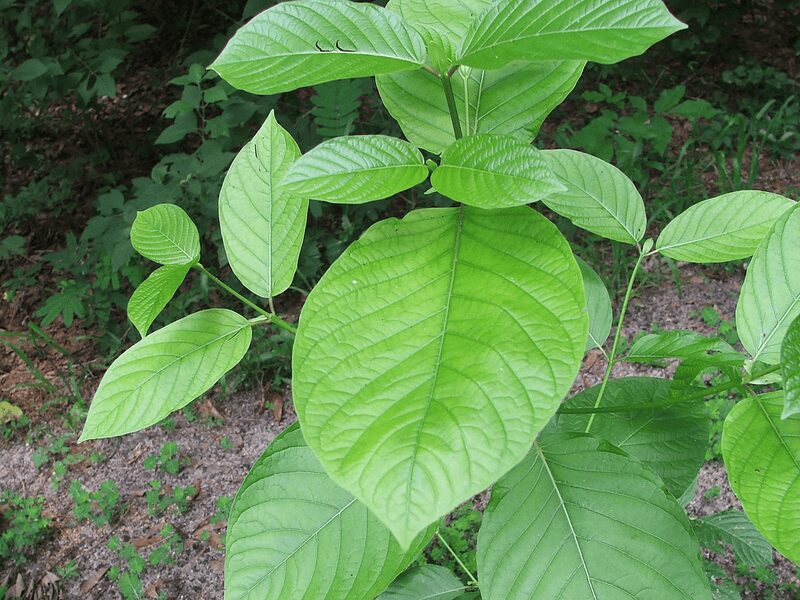
The use of kratom, a botanical substance derived from the leaves of the Mitragyna speciosa tree, has grown significantly across the United States. The American Kratom Association estimates that millions of Americans use kratom for various personal wellness goals. This rising popularity has placed the plant directly in the crosshairs of state legislatures and federal agencies, creating a complex and often confusing patchwork of laws that vary dramatically from one state border to the next.
This legal uncertainty stems from a fundamental debate. On one side, regulators and some health officials raise concerns about kratom’s safety, potential for dependency, and lack of clinical research. On the other, advocates and consumers champion it as a valuable tool, pushing for regulation and quality control instead of outright prohibition. This ongoing tension is what will shape the list of states where kratom is illegal in 2026, making it essential to understand both the current laws and the legislative trends that will define its future.
The Current Ban List: States with Prohibitions Today
The foundation for understanding kratom’s legal status in 2026 begins with the states that have already made it illegal. Currently, six states have enacted complete statewide bans on the possession, sale, and distribution of kratom. In these jurisdictions, kratom is often classified as a controlled substance, placing it in the same legal category as dangerous narcotics and leading to severe penalties.
These bans were typically enacted based on recommendations from state health departments or law enforcement agencies, citing public safety concerns. Understanding the specifics of each state’s prohibition is key for anyone living in or traveling through these areas.
The Six States with Statewide Kratom Bans:
- Alabama: Kratom was added to the state’s list of Schedule I controlled substances in 2016. The law specifically names mitragynine and 7-hydroxymitragynine, the two primary alkaloids in kratom, making possession a felony offense.
- Arkansas: In 2015, Arkansas passed legislation that classified the two main alkaloids in kratom as Schedule I controlled substances. This makes it illegal to buy, sell, or possess any part of the kratom plant.
- Indiana: Indiana banned kratom in 2014 by adding it to its list of synthetic drugs and synthetic lookalikes. The law was later updated in 2018 to specifically name mitragynine and 7-hydroxymitragynine, solidifying its illegal status.
- Rhode Island: The Rhode Island Department of Health classified kratom as a Schedule I substance in 2017. This administrative rule makes it illegal to possess or sell kratom within the state.
- Vermont: Vermont added kratom’s primary alkaloids to its list of regulated drugs, effectively banning the plant in 2016. The state classifies it as a synthetic drug, which advocates argue is a mischaracterization of the natural botanical.
- Wisconsin: In 2014, Wisconsin outlawed the primary alkaloids in kratom, classifying them as Schedule I substances. This makes it a felony to manufacture, distribute, or possess kratom in the state.
For these six states, the path to reversing these bans is challenging. It would require new legislation to be introduced and passed, a process that faces strong opposition from the same groups that supported the initial prohibitions. Barring a significant shift in the political or scientific consensus, these states are the most likely to remain on the “illegal” list in 2026.
Beyond State Lines: Local Bans and City-Specific Rules
The legal status of kratom becomes even more intricate when you consider local jurisdictions. Even in states where kratom is legal at the state level, specific cities and counties have enacted their own bans. This creates a confusing legal minefield where kratom can be legal to purchase in one town but could lead to criminal charges just a few miles away.
These local ordinances are often passed by city councils or county commissions in response to local health or law enforcement concerns. They highlight the importance of not just knowing your state law, but also being aware of any municipal regulations. This is a critical detail that many people overlook, sometimes with serious consequences. Looking ahead to 2026, the number of these local “islands” of prohibition could grow or shrink depending on community-level advocacy.
California’s Patchwork Laws
California is a prime example of this complex local approach. While kratom is legal in most of the state, several cities have banned it.
- San Diego: The city of San Diego classified kratom as a banned substance, making its sale and possession within city limits illegal.
- Oceanside: Following San Diego’s lead, the city of Oceanside also passed an ordinance to ban kratom.
- Other Municipalities: Several other smaller municipalities have similar rules, requiring residents and visitors to be vigilant about local laws.
Florida’s County-by-County Approach
Florida is another state where kratom is legal statewide, but a specific county has implemented a ban.
- Sarasota County: In 2014, Sarasota County passed an ordinance that made it illegal to sell or possess kratom. This local law has been strictly enforced and serves as a model for other counties in the state that have considered similar measures.
Other Notable Local Restrictions
This trend is not limited to California and Florida. For example, Denver, Colorado, once banned kratom for human consumption but later reversed its stance in favor of regulation, showing how these local laws can evolve. Other areas, like Jerseyville, Illinois, and several counties in Mississippi, also have local bans in place. These examples show that the fight over kratom’s legality is happening at every level of government, from statehouses to city halls.
The Rationale Behind the Bans: Understanding the Opposition
To understand why kratom might remain illegal in certain states by 2026, it is essential to examine the arguments used to support these prohibitions. The opposition to kratom is not arbitrary; it is rooted in specific concerns from powerful federal agencies, public health organizations, and parts of the medical community. These groups often focus on three main areas: safety, the plant’s chemical composition, and its potential for abuse.
The primary federal body driving the anti-kratom narrative is the U.S. Food and Drug Administration (FDA). The FDA has not approved kratom for any medical use and has issued numerous public health advisories warning consumers to avoid it. The agency points to reports of adverse events, including seizures, liver damage, and death, in individuals who have consumed kratom. It is important to note that in many of these reported cases, the individuals had also consumed other substances, making it difficult to attribute the cause solely to kratom. The FDA has also conducted salmonella-related recalls of contaminated kratom products, highlighting the dangers of an unregulated market.
The Science of Kratom: Mitragynine and 7-Hydroxymitragynine
At the heart of the scientific debate are kratom’s two most active alkaloids: mitragynine and 7-hydroxymitragynine. These compounds interact with opioid receptors in the brain. Opponents of kratom often highlight this mechanism of action to classify the plant as a dangerous opioid with a high potential for abuse and addiction. They argue that 7-hydroxymitragynine, in particular, is a potent compound that warrants strict control.
However, advocates and some researchers argue that this classification is an oversimplification. They point out that mitragynine, the most abundant alkaloid, is structurally different from classic opioids like morphine and appears to have a “ceiling effect” on respiratory depression, the primary cause of death in opioid overdoses. This scientific debate is central to the legal one. States that ban kratom often do so by specifically naming these two alkaloids in their controlled substance laws.
Public Health and Addiction Worries
Concerns about addiction are another major driver of kratom bans. Opponents point to calls to poison control centers and reports from individuals who have struggled with kratom dependency. They argue that allowing an unregulated, opioid-like substance to be sold in gas stations and smoke shops is a public health risk. These arguments carry significant weight in states that have been heavily impacted by the opioid crisis, as lawmakers are often wary of any substance that could potentially worsen the problem. Until there is more comprehensive, peer-reviewed research on kratom’s long-term effects and addiction profile, these public health concerns will continue to fuel the push for prohibition in some states.
A Path to Legality: The Kratom Consumer Protection Act (KCPA)
While some states have opted for total prohibition, a growing number are choosing a different path: regulation. The primary vehicle for this approach is the Kratom Consumer Protection Act (KCPA), a piece of model legislation drafted and promoted by the American Kratom Association (AKA). The KCPA is not a single federal law but a template for states to adopt. Its goal is to make kratom legal and safe for consumers by establishing a clear regulatory framework for vendors and products.
The KCPA represents a middle-ground solution between a complete ban and an unregulated “wild west” market. Proponents argue that it addresses the legitimate safety concerns raised by the FDA and other health officials without denying access to the millions of adults who use kratom responsibly. As more states consider their stance on kratom, the KCPA is becoming the central focus of legislative efforts, and its adoption rate will be a key factor in determining the legal map in 2026.
Core Components of the KCPA
The KCPA is designed to protect consumers by enforcing strict quality and sales standards. While the exact text can vary slightly from state to state, its core components generally include:
- Age Restrictions: Prohibits the sale of kratom products to individuals under the age of 18 or 21, depending on the state.
- Labeling Requirements: Mandates that all kratom products be clearly labeled with their ingredients, alkaloid content (specifically mitragynine and 7-hydroxymitragynine), and directions for safe use.
- Purity Testing: Requires vendors to have their products tested by a third-party lab to ensure they are free of contaminants like heavy metals, bacteria, and other dangerous substances.
- Prohibition of Adulterants: Makes it illegal to sell any kratom product that has been adulterated with dangerous or illegal substances.
- No Synthetic Alkaloids: Bans the sale of kratom products that contain synthetic alkaloids, such as synthetically produced 7-hydroxymitragynine.
States That Have Embraced Regulation
As of today, more than ten states have successfully passed and enacted some form of the KCPA. These states include Utah, Georgia, Arizona, Nevada, Oklahoma, Oregon, and others. In these states, kratom is not only legal but is sold under a set of rules designed to ensure product safety and keep it out of the hands of minors. This growing list of KCPA states provides a powerful counter-argument to those calling for a nationwide ban, demonstrating that a regulated market is a viable and effective alternative.
States to Watch: Projecting the Legal Map for 2026
Predicting the exact legal landscape for any substance two years in the future is challenging, but by analyzing current legislative trends, we can make an educated projection for kratom in 2026. The central conflict will continue to be between states considering new bans and those debating the adoption of the Kratom Consumer Protection Act. The momentum appears to be shifting in favor of regulation over prohibition.
In recent legislative sessions, most efforts to enact new statewide bans have failed. Lawmakers are increasingly presented with compelling testimony from kratom consumers and data from states that have successfully implemented the KCPA. This suggests that the list of six currently banned states is unlikely to grow significantly by 2026. However, the states that already have bans in place, like Alabama and Indiana, have shown little interest in repealing them. Reversing a Schedule I classification is a difficult legislative battle, meaning those states will most likely remain illegal jurisdictions.
States with Active Ban Legislation
While the trend is toward regulation, some states continue to see bills introduced that would ban kratom. States like Mississippi and Louisiana have had ongoing debates, with ban bills being proposed in multiple legislative sessions. Though these efforts have not yet succeeded statewide (Mississippi has local county bans), they remain states to watch. The outcome of these local and state-level debates will depend heavily on the effectiveness of grassroots advocacy from kratom supporters versus the influence of public health and law enforcement groups pushing for a ban.
States Considering the KCPA
On the other side of the coin are the numerous states where KCPA bills are currently being considered. States like Texas, Virginia, and Pennsylvania have seen KCPA legislation introduced, and advocacy groups are working hard to get them passed. The success or failure of these bills will be the most significant factor in shaping the 2026 legal map. Each time a new state passes the KCPA, it adds to the momentum for regulation and makes it harder for other states, or the federal government, to justify a complete ban. The trend suggests that the number of “KCPA states” is likely to be much larger by 2026, further solidifying kratom’s legal status in a majority of the country.
The Federal Government’s Role: DEA and FDA Oversight
While most of the current action on kratom legality is at the state level, the federal government remains a powerful player whose actions could change the entire landscape overnight. The two key agencies to watch are the Drug Enforcement Administration (DEA) and the Food and Drug Administration (FDA). Their official positions and potential actions cast a long shadow over the state-level debates.
Historically, the federal government has come close to banning kratom nationwide. A federal ban would supersede all state laws, making kratom illegal everywhere, including in states that have passed the KCPA. Understanding this federal context is crucial for a complete picture of kratom’s potential legal future.
The DEA’s 2016 Attempt to Schedule Kratom
The most significant federal threat to kratom access occurred in August 2016. The DEA announced its intent to use its emergency scheduling authority to place kratom’s primary alkaloids, mitragynine and 7-hydroxymitragynine, into Schedule I of the Controlled Substances Act. This would have put kratom in the same category as heroin and LSD, effectively banning it nationwide without any public input or scientific review.
The announcement triggered a massive public backlash. Tens of thousands of kratom consumers contacted the White House and Congress, and a bipartisan group of senators and representatives formally objected to the DEA’s plan. In an unprecedented move, the DEA withdrew its notice of intent in October 2016, stating it would instead open a formal public comment period and consider the FDA’s scientific evaluation. This event was a major victory for kratom advocates and demonstrated the power of organized, grassroots opposition.
The FDA’s Ongoing Position
Since the DEA’s withdrawal, the FDA has remained the primary federal agency opposing kratom. The agency continues to issue warnings about its safety, conduct seizures of kratom imports at the border, and support state-level efforts to ban the substance. The FDA maintains that there is no reliable scientific evidence to support any medical use for kratom and that it has a high potential for abuse. However, without a formal recommendation to the DEA to pursue scheduling again, the FDA’s power is largely limited to enforcement actions related to imports and marketing claims. The federal government seems content, for now, to let states decide the issue, but that could change if public health crises linked to kratom emerge.
States Where Kratom is Illegal in the United States in 2026 PDF
Conclusion
The question of where kratom will be illegal in 2026 does not have a simple answer, but the picture is becoming clearer. The six states that currently ban kratom—Alabama, Arkansas, Indiana, Rhode Island, Vermont, and Wisconsin—are the most likely to maintain those prohibitions. The legal landscape is further complicated by a number of cities and counties in otherwise legal states that have enacted their own local bans. The primary driver of these bans is concern from health and law enforcement agencies regarding kratom’s safety and potential for dependency.
However, the dominant trend shaping kratom’s future is the move toward state-level regulation through the Kratom Consumer Protection Act. This legislation offers a middle path that addresses safety concerns with strict rules for labeling, testing, and age restrictions, while preserving access for adult consumers. As more states adopt the KCPA, the argument for outright prohibition weakens, making it less likely that new states will join the “illegal” list. The federal government, while still officially opposed, appears to be taking a hands-off approach for the time being, leaving the decision to individual states.
The legal status of kratom remains fluid and subject to change based on legislative action and scientific research. If you are a kratom consumer or are considering it, your most important action is to stay informed. Regularly check the laws in your specific state, county, and city, as they can change from one year to the next. Resources like the American Kratom Association provide up-to-date legislative news, and your state legislature’s official website is the best source for the most current information. Being a responsible and informed consumer is the best way to ensure you are complying with the law.
Seek Justice for Kratom-Related Injuries or Losses – Act Now!
Have you or a loved one suffered injuries or tragic loss due to kratom use in Georgia or elsewhere? You may be entitled to compensation for medical expenses, emotional distress, or wrongful death. Our experienced kratom attorneys are here to investigate your case, hold negligent parties accountable, and fight for the justice you deserve. Time is critical, fill out our free, no-obligation consultation form today to discuss your kratom-related claim with our dedicated team. Don’t delay; complete the form below to take the first step toward recovery and accountability!