
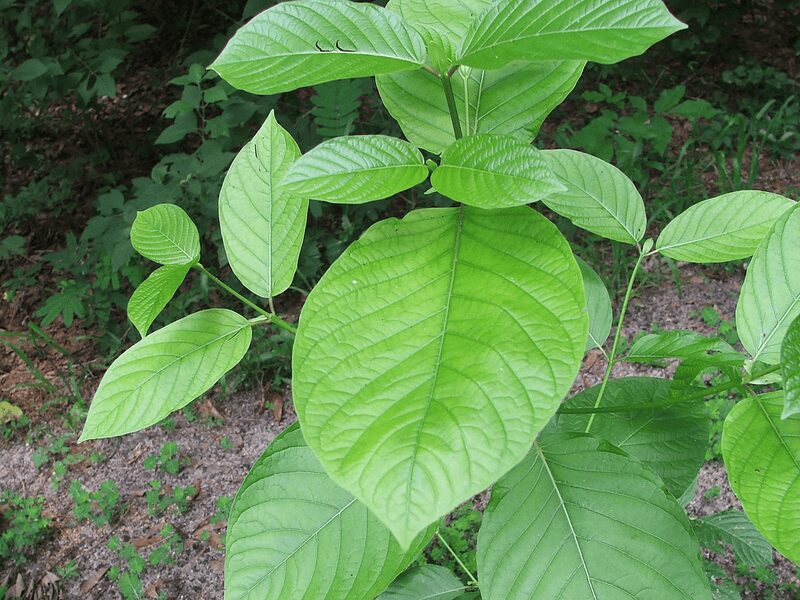
TL;DR: As of late 2023, kratom is legal to buy, sell, and possess in Vermont for adults aged 18 and older. There are currently no state-specific laws regulating its purity, labeling, or testing. Looking ahead to 2026, the legal status remains uncertain, but the trend points more toward regulation than an outright ban. Vermont has not yet adopted the Kratom Consumer Protection Act (KCPA), a set of regulations designed to ensure consumer safety. Residents should monitor the Vermont General Assembly during the 2024 and 2025 legislative sessions for any new bills that could change these laws.
Kratom, a botanical substance derived from the leaves of the Mitragyna speciosa tree native to Southeast Asia, has grown in popularity across the United States, including in the Green Mountain State. Residents use it for a variety of personal reasons, and it is commonly available in smoke shops, specialty wellness stores, and online. This widespread availability is possible because kratom is not a controlled substance at the federal level, leaving its legal status up to individual states to decide.
This state-by-state approach has created a patchwork of laws across the country. While some states have banned kratom entirely, a growing number are choosing a different path: regulation. Advocacy groups like the American Kratom Association (AKA) are actively promoting the Kratom Consumer Protection Act (KCPA), a legislative framework designed to make the industry safer for consumers. Vermont’s position within this national conversation is one of observation, as it has yet to enact a ban or a comprehensive regulatory system, leaving consumers to make their own informed decisions.
What is Kratom?
Kratom is a tropical tree from the coffee family, indigenous to Thailand, Indonesia, Malaysia, and other parts of Southeast Asia. The leaves contain active alkaloids, primarily mitragynine and 7-hydroxymitragynine, that influence the brain’s opioid receptors. The effects vary by dosage: lower doses typically produce stimulant-like effects such as increased alertness and sociability, while higher doses result in pain relief and sedation.
In the United States, kratom is marketed for a variety of purposes, including as an herbal supplement for managing chronic pain, enhancing mood, alleviating anxiety, and serving as an aid for opioid withdrawal. However, the U.S. Food and Drug Administration (FDA) has not approved kratom for any medical use and continues to express concerns about its safety.
Is Kratom Legal in Vermont in 2026?
No — kratom remains illegal in Vermont as of 2026. The state classifies kratom’s primary alkaloids, mitragynine and 7‑hydroxymitragynine, as regulated drugs, effectively outlawing the possession, sale, distribution, and use of kratom products anywhere in Vermont. This prohibition is statewide, meaning local cities or towns cannot override the ban. Efforts to change this status have been underway, including proposals like the Kratom Consumer Protection Act (e.g., House Bill H.416 and Senate Bill S.121), which would legalize and regulate kratom under a strict framework if enacted. However, none of these bills had become law by 2026, so the existing ban continues to apply.
The Current Legal Status of Kratom in Vermont
For anyone wondering about Vermont kratom laws, the answer today is straightforward: the substance is legal. There are no state laws on the books that prohibit its use or sale. However, the absence of a ban does not mean the market is regulated. This lack of oversight creates a “buyer beware” environment for consumers across the state.
Age and Purchase Requirements
The primary restriction on kratom in Vermont is an age limit. You must be at least 18 years old to legally purchase kratom products. This is a standard age restriction for products of this nature and is generally enforced by reputable vendors. Kratom can be found in various forms, including powders, capsules, and extracts, at brick-and-mortar locations like head shops and some convenience stores, as well as through numerous online retailers that ship to Vermont addresses.
No State-Level Regulations on Purity or Labeling
The most significant aspect of Vermont’s current kratom law is what is missing. The state has not passed the Kratom Consumer Protection Act or any similar legislation. This means there are no state-mandated requirements for:
- Product Purity: Manufacturers are not legally required to test their products for contaminants like heavy metals, salmonella, or other dangerous bacteria.
- Accurate Labeling: There are no rules forcing companies to accurately list the concentration of key alkaloids, such as mitragynine and 7-hydroxymitragynine, on their packaging.
- Banning Adulterants: Without regulation, there is a higher risk of products being contaminated with synthetic substances or other dangerous additives.
This lack of a regulatory framework places the full burden of safety on the consumer. It is up to the individual to research vendors and demand products that have been independently tested for quality and purity.
Uniformity of Law Across the State
Unlike some states where laws can vary by city or county, the legal status of kratom is consistent throughout Vermont. From Burlington to Brattleboro, the same state-level rules apply. There are no known local ordinances that contradict the statewide legality of kratom, simplifying the legal picture for residents and visitors.
A History of Kratom Legislation in the Green Mountain State
Vermont’s hands-off approach to kratom is not for a lack of legislative attention. The topic has appeared in the Vermont General Assembly, but past efforts have failed to gain the traction needed to become law. Understanding this history provides valuable context for predicting where the state might be headed by 2026.
Past Legislative Attempts
In recent years, Vermont lawmakers have considered proposals related to kratom. For example, during the 2023 legislative session, a bill (H.177) was introduced that initially sought to add the two primary alkaloids in kratom, mitragynine and 7-hydroxymitragynine, to the state’s list of regulated drugs. This action would have effectively banned kratom products. However, the bill did not advance out of committee and failed to become law, reflecting a common legislative outcome where initial proposals for a ban are met with resistance from advocates and consumers who favor regulation instead. These past attempts show that while some lawmakers have concerns, there isn’t a strong consensus for prohibition.
The National Shift from Banning to Regulation
The legislative journey in Vermont mirrors a broader national trend. A few years ago, the primary legislative threat to kratom was an outright ban. This was often driven by public health warnings from the FDA and a general lack of understanding about the plant. Today, the conversation has shifted dramatically. Led by the American Kratom Association, the focus is now on passing the Kratom Consumer Protection Act. This model legislation is seen as a middle-ground solution that addresses safety concerns without resorting to prohibition, which often drives markets underground. This shift acknowledges that millions of Americans use kratom and that making the supply chain safer is a more effective public policy goal.
Vermont’s Cautious Legislative Stance
Vermont’s legislature can be characterized as cautious and deliberate. The state has not rushed to ban kratom, as a handful of others have. At the same time, it has not yet joined the growing list of states that have embraced the KCPA. This places Vermont in a “wait-and-see” category. Lawmakers are likely observing how regulatory frameworks are implemented in other states, monitoring public health data, and listening to the arguments from both consumer advocates and public health officials. This measured approach means that future changes are likely to be well-considered rather than reactionary.
What is the Kratom Consumer Protection Act (KCPA)?
When discussing the future of kratom legality in Vermont, the Kratom Consumer Protection Act is the most important piece of the puzzle. It represents the most likely path forward for states looking to manage kratom sales responsibly. The KCPA is not a single federal law but a piece of model legislation drafted by the American Kratom Association that states can adopt and customize.
Core Principles of the KCPA
The primary goal of the KCPA is to protect consumers by holding vendors and manufacturers accountable. Its key provisions are designed to create a safe and transparent market. The act typically includes requirements such as:
- Prohibiting Sales to Minors: Establishes a clear age limit for purchase, usually 18 or 21.
- Mandatory Product Registration: Requires vendors to register their products with a state agency, such as the Department of Agriculture or Department of Health.
- Accurate Product Labeling: Mandates that packaging clearly state the ingredients, the amount of mitragynine and 7-hydroxymitragynine, and the manufacturer’s contact information. It also prohibits making unproven health or medical claims.
- Banning Dangerous Adulterants: Makes it illegal to sell any kratom product that contains dangerous non-kratom substances or a level of 7-hydroxymitragynine that is dangerously high (typically more than 2% of the total alkaloid content).
- Establishing Fines and Penalties: Creates clear consequences for vendors who violate the law, ensuring there is an enforcement mechanism.
States That Have Adopted the KCPA
The KCPA is more than just a concept; it is now law in over a dozen states. This growing list provides a roadmap for how Vermont could implement its own regulations. States like Utah, Georgia, Arizona, Colorado, and Oregon have all passed versions of the KCPA. The successful implementation in these states demonstrates that regulation is a viable alternative to prohibition. It allows state agencies to oversee the market, gives consumers confidence in the products they buy, and helps legitimize responsible businesses.
The AKA’s Role in Advocating for the KCPA
The American Kratom Association is the primary force behind the push for the KCPA nationwide. This non-profit organization works directly with state lawmakers, provides expert testimony, and mobilizes kratom consumers to advocate for their rights. Their strategy is to get the KCPA passed in all 50 states to create a consistent and safe national marketplace. The AKA’s efforts are crucial because they provide legislators with a ready-made, well-researched bill that addresses the most common safety concerns associated with kratom.
Predicting the Future: Will Vermont Kratom Laws Change by 2026?
Predicting the exact legal landscape two years in the future is difficult, but based on current trends in Vermont and nationally, we can outline the most probable scenarios. The question is not just whether kratom will be legal, but what “legal” will look like.
Potential Legislative Paths for Vermont
By 2026, Vermont will likely have moved from its current unregulated status to one of three possible outcomes.
- Path 1: Adoption of the KCPA (Most Likely): This is the most probable and, for consumers, the most favorable outcome. Adopting a version of the KCPA would align Vermont with the national regulatory trend. It would address safety concerns without infringing on the rights of adults to purchase kratom. This path would likely be supported by consumers, responsible vendors, and lawmakers seeking a common-sense solution.
- Path 2: Maintaining the Status Quo: It is possible that no new legislation passes, leaving kratom legal and unregulated. While this preserves access, it also continues the risks associated with an unchecked market. This scenario becomes less likely over time as more states adopt regulations, potentially increasing pressure on Vermont to act.
- Path 3: A State-Level Ban (Least Likely): While a ban is always a possibility, it appears to be the least likely path. The failure of past prohibitionist bills and the strong national momentum toward regulation suggest that Vermont is unlikely to move in this direction. A ban would likely only be triggered by a significant public health crisis directly linked to kratom within the state or a major shift in federal policy from the FDA or DEA.
Factors Influencing Future Legislation
Several key factors will influence which path Vermont takes:
- Actions in Neighboring States: Lawmakers often look to their neighbors for policy ideas. If New York, Massachusetts, or New Hampshire pass their own versions of the KCPA, it could create momentum for Vermont to do the same.
- Federal Guidance: Any new statements or guidelines from the FDA could heavily influence state-level discussions. While the FDA has historically been critical of kratom, its focus has been on enforcement against bad actors rather than a blanket ban.
- Local Advocacy Efforts: The voices of Vermont residents matter. Organized efforts by consumers and retailers to educate lawmakers about the benefits of regulation can have a significant impact on the legislative process.
- Public Health Data: State health officials will be monitoring data related to kratom. A lack of significant safety incidents will support the case for regulation, while any high-profile emergencies could fuel calls for a ban.
How to Safely and Legally Purchase Kratom in Vermont
In Vermont’s current unregulated market, the responsibility for ensuring safety falls squarely on the consumer. Being a smart and informed buyer is the best way to protect yourself while legally enjoying kratom.
Vetting Your Vendor
Not all kratom vendors are created equal. To find a trustworthy source, you need to do your homework. Here are some practical steps:
- Look for AKA GMP Certification: The American Kratom Association has a Good Manufacturing Practices (GMP) program. Vendors who participate in this program agree to follow strict standards for processing and testing. A list of qualified vendors is available on the AKA website. This is the single best indicator of a quality supplier.
- Demand Third-Party Lab Results: Reputable companies send their products to independent labs to be tested for contaminants and alkaloid content. These results, often called a Certificate of Analysis (CoA), should be readily available on the vendor’s website or by request. If a vendor cannot provide a CoA, you should not buy from them.
- Avoid Unreliable Sources: Gas stations and head shops with little product knowledge are often poor places to buy kratom. They may stock cheap, low-quality products without any safety testing. Stick to specialty shops or online vendors with a strong reputation.
- Read Community Reviews: Check online forums like Reddit or other community groups for honest reviews of different brands and vendors. Experienced users often share valuable insights about product quality and business practices.
Understanding Kratom Product Labels
Even without state regulations, a good vendor will provide clear and informative labeling. Look for labels that include:
- The strain name (e.g., Red Vein Bali, Green Maeng Da).
- The net weight of the product.
- The manufacturer’s or distributor’s name and contact information.
- A batch or lot number, which is essential for tracking products in case of a recall.
Be wary of any product that makes explicit health claims, such as “cures anxiety” or “treats pain.” The FDA prohibits such claims, and their presence is a major red flag that the company is not following the rules.
The Risks of an Unregulated Market
It is vital to understand the potential dangers of buying untested kratom. Without oversight, products can be contaminated with a range of harmful substances, including:
- Heavy Metals: Lead, mercury, and arsenic can be present in soil and contaminate kratom leaves.
- Bacteria: Poor handling and processing can lead to contamination with salmonella or E. coli.
- Adulterants: In rare but serious cases, unethical producers have been known to add other substances to their products to increase their potency.
By choosing vendors who follow strict testing protocols, you can significantly reduce these risks and ensure you are consuming a safe product.
Staying Informed on Vermont’s Evolving Kratom Regulations
Because the legal situation could change, staying up-to-date is crucial for any kratom consumer in Vermont. Being informed allows you to participate in the legislative process and ensures you are always in compliance with the law.
Official Government Resources
The most reliable source for information on proposed laws is the state government itself.
- The Vermont General Assembly Website: You can visit
legislature.vermont.govto search for and track any bills related to kratom. You can search by keyword (“kratom”) or bill number if you know it. This site provides the full text of bills, their current status, and a history of their progression through the legislative process. - Vermont Department of Health: If the state ever issues public health advisories or regulations concerning kratom, they will likely be posted on the Department of Health website.
Advocacy Groups and News Sources
Beyond official channels, several organizations provide timely updates and analysis.
- The American Kratom Association (AKA): The AKA website is the best resource for tracking kratom legislation in all 50 states. They issue calls to action when a bill is being considered and provide guidance on how to contact lawmakers effectively. Signing up for their newsletter is a great way to stay informed.
- Reputable News Outlets: Kratom-specific news sites and general media outlets will often report on significant legislative developments. Setting up a news alert for “kratom Vermont” can help you catch breaking stories.
The Importance of Local Advocacy
Your voice can make a difference. Vermont has a citizen legislature, and representatives are generally very responsive to their constituents. If you support the regulation of kratom through the KCPA, consider contacting your local state representative and senator. A brief, polite email or phone call explaining your position can be very effective. Explain that you are a constituent who supports a safe, regulated market over prohibition. Personal stories and well-reasoned arguments are far more powerful than you might think.
Despite these concerns, Vermont’s outright ban has faced criticism for driving consumers toward unregulated black markets where the risk of adulterated products is significantly higher.
Key Provisions of Vermont House Bill H.416
1. Kratom Product Registry
- Any processor, distributor, or retailer intending to sell kratom in Vermont must register their products with the Vermont Department of Health.
- Registration requires submission of:
- A certificate of analysis from an ISO/IEC 17025 accredited independent laboratory confirming the product is free from harmful contaminants and meets purity standards.
- Assurances of facility compliance with FDA food safety regulations.
- Documentation showing the processor has a reasonable basis for believing that the kratom product is safe for consumption under the conditions outlined on the label.
- The Department will maintain a public online registry of approved kratom products to allow consumers and retailers to verify which products are legally compliant.
2. Product Prohibitions
A processor or distributor cannot sell or maintain kratom products that:
- Are adulterated with dangerous non-kratom substances, including any controlled substance or poisonous additive.
- Contain compounds that inhibit liver enzymes CYP3A4 or CYP2D6 unless scientifically proven safe and approved by the Department of Health.
- Contain synthetic kratom alkaloids or chemically synthesized versions of mitragynine or 7-hydroxymitragynine.
- Are designed for combustion (smoking), vaporization (vaping), or injection.
- Are packaged in a way that is attractive to children, such as resembling candy or well-known food products.
- Contain residual solvents beyond levels permitted by the United States Pharmacopeia (USP) 467 standard.
3. Labeling Requirements
Each kratom product must have a clear and conspicuous label that includes:
- A warning advising against use by anyone under the age of 21, as well as pregnant or breastfeeding individuals.
- A statement that kratom may be habit-forming.
- A federally compliant disclaimer:
“These statements have not been evaluated by the Food and Drug Administration. This product is not intended to diagnose, treat, cure, or prevent any disease.” - Contact details for the manufacturer or distributor.
- Detailed usage instructions, including:
- Recommended amount per serving.
- Maximum number of servings per 24-hour period.
- A listing of servings per container.
- A full listing of alkaloid content, including limits on mitragynine and 7-hydroxymitragynine.
Kratom food service establishments that sell beverages prepared on-site must provide these details either on signage at the point of sale or via printed documentation to customers.
Notably, any product containing 7-hydroxymitragynine levels above 2 percent cannot be labeled as a kratom product.
4. Age Restrictions
It is prohibited to sell kratom to any person under the age of 21. Violations can lead to:
- Fines up to $1,000 and/or imprisonment for up to one year for the first offense.
- Fines up to $2,000 and/or imprisonment for up to two years for second and subsequent offenses.
5. Enforcement and Penalties
- Selling an unregistered kratom product may result in:
- A fine of up to $5,000 per product.
- A fine of up to $10,000 for repeat offenses.
- A potential ban from selling kratom for two years for habitual offenders.
- Selling kratom that contains controlled substances or synthetic alkaloids may result in:
- Imprisonment of up to three years and a fine of $3,000, in addition to other penalties under Vermont criminal law.
- The Department has the authority to demand updated testing if concerns arise regarding a product’s safety.
- Retailers are protected from liability if they can demonstrate they relied in good faith on the product registration provided by their distributors or manufacturers.
6. Rulemaking Authority
The Department of Health is empowered to issue rules to:
- Define approved kratom product delivery forms (such as capsules, powders, or beverages).
- Establish approved extraction methods that comply with health standards.
- Set the required standards for certificates of analysis, including maximum limits for contaminants like heavy metals, residual solvents, and microbial pathogens.
Status of the Bill
As of mid-2025, House Bill H.416 has not yet been enacted into law. The bill is still undergoing committee review and debate within the Vermont legislature. Until it passes, kratom remains illegal in Vermont under the existing ban.
The proposed law includes a clear implementation timeline. According to Section 3 of Vermont House Bill H.416, if enacted, the Kratom Consumer Protection Act would officially take effect on July 1, 2025. This means that all the provisions outlined in the bill, including the registration requirements, labeling standards, product prohibitions, age restrictions, and enforcement measures, would become fully enforceable from that date. Until then, Vermont’s current kratom ban remains in effect, and kratom continues to be classified as a regulated drug in the state.
Why Vermont is Considering Regulation Instead of a Ban
Arguments in Favor of Regulation
- Consumer Protection: Regulation offers safer products by enforcing testing and labeling requirements.
- Reduction of Black Market Risks: Consumers will be less likely to turn to illegal or unregulated sources if legal, safe products are available.
- Public Health Oversight: Regulation allows the state to monitor kratom usage and product safety more effectively.
- Alignment with Other States: States like Utah, Nevada, and Arizona have already implemented Kratom Consumer Protection Acts, providing a model Vermont could follow.
Arguments for Maintaining the Ban
- Health Risks Remain: Concerns persist about kratom’s potential for dependency, misuse, and serious health effects.
- Enforcement Complexity: Ensuring compliance may strain public health and law enforcement resources.
- Lack of FDA Approval: Some policymakers argue that until the FDA approves kratom for consumption, it should remain banned.
How Vermont Compares to Other States
- States Where Kratom is Banned: Vermont, Alabama, Arkansas, Indiana, Rhode Island, Wisconsin.
- States with Regulation: Utah, Nevada, Arizona, Oklahoma, and Oregon, among others, have enacted Kratom Consumer Protection Acts.
- States with No Regulation: Many states still have no active kratom laws, meaning kratom is legal and unregulated.
Conclusion: Is Kratom Legal in Vermont in 2026?
The simple answer is no, kratom remains illegal in Vermont in 2025. The current law criminalizes the possession, sale, and distribution of kratom based on its classification of the alkaloids mitragynine and 7-hydroxymitragynine as regulated drugs.
However, Vermont’s legislature is actively considering a shift toward regulation through the Kratom Consumer Protection Act (House Bill H.416). If passed, this law would legalize kratom under a comprehensive regulatory framework designed to ensure consumer safety and product integrity.
Until then, any interaction with kratom in Vermont remains prohibited under existing law. Consumers, vendors, and advocates are advised to follow the legislative process closely to stay informed about when or if kratom becomes legal and regulated in the state.
If you a a loved one has been harmed by kratom anywhere, get in touch with our kratom lawyer for free case evaluation. Contact us today!