
Is Kratom Legal in Pennsylvania? A Guide to Kratom Laws and Regulations in 2026
TL;DR: Yes, Kratom is legal to purchase, possess, and use in Pennsylvania for adults. The state does not have any specific laws regulating the sale or quality of Kratom products. This means while it is legal, the market is unregulated. Lawmakers have considered the Kratom Consumer Protection Act (KCPA) to introduce safety standards, labeling requirements, and age restrictions, but it has not yet passed. As of now, consumers in Pennsylvania must be diligent in finding reputable vendors.
Kratom, a botanical substance derived from the leaves of the Mitragyna speciosa tree native to Southeast Asia, has seen a significant rise in popularity across the United States. In Pennsylvania, from Philadelphia to Pittsburgh, residents can find Kratom products in smoke shops, specialty wellness stores, and online. This accessibility reflects a growing interest in the plant, which contains alkaloids like mitragynine and 7-hydroxymitragynine that interact with opioid receptors in the brain. Users often report effects ranging from energizing to relaxing, depending on the strain and dosage.
The legal landscape for Kratom in the U.S. is a complex patchwork of state and local laws. While a handful of states and cities have banned the substance entirely, many others permit its sale. Pennsylvania currently falls into the latter category, existing in a legal gray area where Kratom is permitted but not controlled. This lack of oversight has prompted discussions within the Pennsylvania General Assembly about how to best protect consumers while preserving access, a debate that is shaping the future of Kratom in the Keystone State.
What is Kratom?
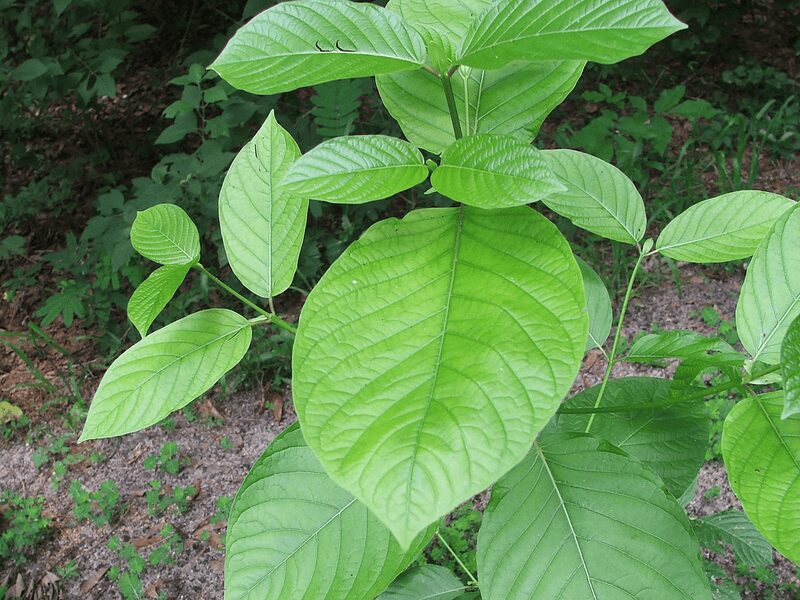
Kratom (Mitragyna speciosa) is a tropical evergreen tree grown primarily in Indonesia, Malaysia, Thailand, and Papua New Guinea. Its leaves contain bioactive alkaloids, notably mitragynine and 7-hydroxymitragynine, which produce dose-dependent effects. At low doses, kratom acts as a stimulant, boosting energy and focus, while at higher doses, it can induce sedation, euphoria, and pain relief, resembling opioid effects. Traditionally used in Southeast Asia for pain relief, fatigue management, and opioid withdrawal support, kratom is sold in the U.S. as powders, capsules, extracts, or beverages, available in smoke shops, vape stores, kava bars, and online.
Despite its popularity, kratom remains controversial due to its potential for addiction, overdose, and adverse effects, particularly when adulterated with substances like fentanyl or synthetic alkaloids. The lack of federal regulation has led to varied state-level laws, with Pennsylvania adopting a unique approach to its oversight.
Is Kratom Legal in Pennsylvania?
As of June 2025, kratom is legal to purchase, possess, use, and sell in Pennsylvania for individuals aged 18 and older, following the passage of House Bill 2357 (HB 2357) in June 2022. This legislation, also referred to as the Kratom Consumer Protection Act (KCPA) in Pennsylvania, establishes a minimum age restriction for kratom sales but does not impose comprehensive regulations on manufacturing, labeling, or quality standards, unlike KCPA laws in other states like Utah or Georgia. The bill imposes fines of $100 to $500 for first-time violations by retailers selling to those under 18, ensuring some level of consumer protection.
Pennsylvania’s version of the KCPA is notably less stringent than those in other states, focusing primarily on age restrictions rather than product safety or vendor accountability. As a result, kratom remains largely unregulated in terms of quality control, leaving consumers to exercise caution when purchasing products.
Pennsylvania’s Current Kratom Laws: Legal but Unregulated
As we look toward 2026, the legal status of Kratom in Pennsylvania remains straightforward: it is legal for adults to buy and own. There are no state-level statutes that classify Kratom as a controlled substance, and no pending legislation aims to ban it outright. This places Pennsylvania in line with a majority of states that allow access to the botanical.
However, the most critical aspect of Pennsylvania’s current law is the absence of regulation. The state government has not established any framework to oversee the Kratom market. This creates a “buyer beware” environment with several potential risks for consumers. Without state-mandated rules, there are no official requirements for:
- Product Purity: Vendors are not legally required to test their products for contaminants like heavy metals, pesticides, or dangerous bacteria such as salmonella.
- Accurate Labeling: There are no standards for labeling, meaning products may not accurately list their ingredients, alkaloid content, or recommended serving size.
- Age Verification: While most shops voluntarily enforce an 18+ or 21+ policy, there is no state law that mandates a minimum age for purchase.
- Adulterants: Unscrupulous sellers could potentially add dangerous synthetic substances to their Kratom products to enhance their effects, without any legal penalty under a Kratom-specific law.
This unregulated environment is the primary reason advocacy groups and some lawmakers are pushing for change. They argue that a lack of basic consumer protections puts Pennsylvanians at risk and prevents the industry from establishing legitimacy. For now, the responsibility falls entirely on the consumer to research vendors and demand transparency through third-party lab testing.
The Push for Regulation: Pennsylvania’s Kratom Consumer Protection Act (KCPA)
The most significant development concerning Kratom in Pennsylvania is the proposed Kratom Consumer Protection Act (KCPA). This piece of legislation represents a move away from prohibition and toward sensible regulation. Championed by the American Kratom Association (AKA), the KCPA is a model bill that has been successfully passed in over a dozen other states, creating a standardized and safer market for consumers.
A version of the KCPA has been introduced in the Pennsylvania legislature, aiming to transform the state’s unregulated market into a secure and transparent one. While the exact text can vary, the core tenets of the KCPA are designed to address the current lack of oversight directly.
Key Provisions of the Proposed KCPA
If passed, the KCPA would establish clear rules for the Kratom industry in Pennsylvania. The most important components of the proposed act include:
- Minimum Age Requirement: The act would formally make it illegal to sell Kratom to anyone under the age of 21, creating a consistent, statewide standard.
- Comprehensive Labeling: All Kratom products would need to be clearly labeled with their ingredients, the amount of mitragynine and 7-hydroxymitragynine they contain, and the manufacturer’s contact information.
- Prohibition of Adulterants: The KCPA would make it illegal to sell any Kratom product that contains dangerous non-kratom substances, synthetic alkaloids, or any other compound that could pose a risk to consumers.
- Mandatory Lab Testing: Vendors would be required to have their products tested by an independent third-party laboratory to ensure they are free from contaminants and that the alkaloid levels match what is stated on the label.
- Penalties for Violations: The act would create fines and other penalties for businesses that fail to comply with these new regulations, giving the state the authority to enforce these safety standards.
The journey of the KCPA through the Pennsylvania legislature has been slow. While it has garnered some bipartisan support from lawmakers who see it as a common-sense solution, it has yet to be passed into law. Its future will likely depend on continued advocacy from consumers and the industry, as well as the legislature’s priorities in the coming sessions.
Local Rules and Age Restrictions Across the Keystone State
While Pennsylvania has no statewide regulations, the question often arises whether individual cities or counties have enacted their own rules. As of early 2024, there are no known local ordinances in major metropolitan areas like Philadelphia, Pittsburgh, Harrisburg, or Allentown that ban or restrict the sale of Kratom. This means the legal status is consistent across the state.
The lack of a state-mandated age limit for purchasing Kratom is a significant gap that the KCPA aims to fill. In the current environment, most reputable vendors, including head shops and specialty stores, have adopted their own policies. The vast majority will not sell Kratom to individuals under 18, and many have raised their internal requirement to 21 to align with tobacco and alcohol laws. This self-regulation is a positive sign, but it is not legally enforceable and may not be practiced by all sellers.
A Word of Caution for Consumers
Because the legal landscape can change, it is always a good idea to be aware of your local community’s stance. City council meetings or local health department advisories could signal a shift in policy. Before making a purchase, especially if you are new to an area, a quick check of your municipality’s website or a call to a local official can provide peace of mind. For now, however, Pennsylvanians can generally assume that if they are of adult age, they can legally purchase Kratom anywhere in the state.
The Federal View: How the FDA and DEA Influence State Laws
To fully understand the situation in Pennsylvania, it is helpful to look at the federal government’s position on Kratom. Currently, Kratom is not a controlled substance at the federal level. This means it is legal under federal law, which is why states have the authority to create their own policies. However, two key federal agencies have expressed concerns that influence the national conversation.
The Food and Drug Administration (FDA) has been the most vocal critic of Kratom. The agency has issued numerous public warnings about the substance, citing potential safety issues and a lack of scientific evidence for any medical benefits. The FDA has not approved Kratom for any therapeutic use and actively works to stop imports of what it considers an unapproved drug. The agency’s stance is that Kratom has properties similar to opioids and carries a risk of addiction and other adverse effects. This position often fuels efforts in some states to ban the substance.
The Drug Enforcement Administration (DEA) also plays a crucial role. In 2016, the DEA announced its intent to place Kratom’s primary alkaloids on the Schedule I list of controlled substances, alongside drugs like heroin and LSD. This move would have made Kratom illegal nationwide. However, the agency faced a powerful public backlash, with thousands of consumers and dozens of members of Congress speaking out in defense of Kratom. In a rare reversal, the DEA withdrew its notice of intent, opting instead to wait for further scientific review. While the DEA could revisit this decision, the focus has since shifted toward state-level regulation.
This federal inaction has created a power vacuum, forcing states like Pennsylvania to decide their own path. The ongoing debate between the FDA’s warnings and the public’s demand for access is why legislation like the KCPA is seen as a critical middle ground.
A Buyer’s Guide: Finding Safe and Legal Kratom in Pennsylvania
In an unregulated market like Pennsylvania’s, the burden of ensuring product safety falls squarely on the consumer. Without the KCPA in place, you cannot simply trust that the product on the shelf is pure or accurately labeled. Fortunately, responsible vendors have emerged who voluntarily adhere to high standards.
Expert Tip: Prioritize AKA GMP-Qualified Vendors
The American Kratom Association has established a Good Manufacturing Practices (GMP) Standards Program. This is a voluntary program where vendors agree to have their facilities and processes audited by a third party to ensure they meet strict quality control standards. A vendor who is AKA GMP-qualified is demonstrating a serious commitment to consumer safety. This is the single most important factor to look for when buying Kratom.
Here is a checklist to help you identify a trustworthy Kratom source in Pennsylvania:
- Check for Third-Party Lab Results: Reputable vendors will always make recent lab test results, or Certificates of Analysis (COA), available to their customers. These documents should confirm the product is free from contaminants and verify its alkaloid content. If a vendor cannot provide a COA, do not buy from them.
- Look for AKA GMP Certification: Check the vendor’s website or ask in-store if they are part of the AKA’s GMP program. Participants are listed on the AKA’s website, so you can verify their claims.
- Examine the Packaging: Professional, responsible vendors use high-quality packaging that is properly sealed. The label should include basic information like the strain, weight, and a batch number that corresponds to a lab test.
- Avoid Medical Claims: The FDA prohibits vendors from making health or medical claims about Kratom. Any seller who markets their product as a “cure” or “treatment” for any condition is violating federal law and should not be trusted.
- Read Customer Reviews: Look for consistent, positive feedback on independent platforms. While reviews can be manipulated, a long history of satisfied customers is a good indicator of a reliable company.
By following these steps, you can significantly reduce the risks associated with an unregulated market and find high-quality Kratom products.
Projecting to 2026: The Future of Kratom in Pennsylvania
Looking ahead, the future of Kratom in Pennsylvania appears to be heading toward regulation rather than prohibition. While nothing is certain in politics, the momentum across the country is in favor of adopting consumer protection laws. Here are the most likely scenarios for Pennsylvania by 2026.
Scenario 1: The KCPA Passes (Most Likely) The most probable outcome is that Pennsylvania will eventually pass some form of the Kratom Consumer Protection Act. This would bring the state in line with neighbors like Ohio and other states that have chosen regulation. For consumers, this would mean a much safer market with reliable, tested, and clearly labeled products. It would also stabilize the industry, allowing responsible businesses to operate without fear of a sudden ban.
Scenario 2: The Status Quo Continues If the legislative push for the KCPA stalls, Pennsylvania could remain in its current state of being legal but unregulated. This would continue to place the burden of safety on consumers and leave the market vulnerable to bad actors. While access would remain, the risks associated with untested products would persist.
Scenario 3: A Ban is Proposed (Least Likely) A statewide ban on Kratom seems unlikely at this point. The national trend is moving away from prohibition, and the strong advocacy from the AKA and consumer groups provides a powerful counter-argument to anti-Kratom efforts. A ban would likely only be considered if a major public health incident directly linked to contaminated Kratom products were to occur in the state, which is what the KCPA is designed to prevent.
Ultimately, the path Pennsylvania takes will depend on the actions of its lawmakers and the voices of its citizens. The ongoing conversation is a positive sign that a thoughtful, safety-oriented solution is on the horizon.
A Primer on Kratom: Understanding Strains and Responsible Use
For those new to Kratom, understanding the basics is key to a safe and positive experience. Kratom is generally categorized by the color of the veins in the leaf, which are thought to correspond to different alkaloid profiles and effects.
- Red Vein Kratom: This is the most popular type and is often associated with calming and relaxing effects. Users frequently turn to red strains in the evening to unwind. Popular red strains include Red Bali and Red Maeng Da.
- White Vein Kratom: White strains are typically described as being more energizing and stimulating. Many users compare their effects to a strong cup of coffee and use them for focus and motivation during the day. White Borneo and White Thai are common examples.
- Green Vein Kratom: Green strains are often considered a middle ground between the relaxing reds and the stimulating whites. They are said to offer a balanced experience of mild energy and mood enhancement. Green Malay is one of the most well-known green strains.
Responsible use is paramount. It is always recommended to start with a very small dose to see how your body reacts. Never mix Kratom with alcohol or other substances, and be mindful of your consumption habits. Listening to your body and prioritizing safety will ensure a better experience.
Conclusion
In summary, Kratom is currently legal throughout Pennsylvania, but it exists in an unregulated market that requires consumers to be cautious. The key to a safe experience is to purchase products only from reputable vendors who can provide third-party lab tests and ideally participate in the American Kratom Association’s GMP program. The lack of state oversight has prompted a significant legislative push for the Kratom Consumer Protection Act, which would establish a safe, transparent, and regulated market for adults over 21.
As we move toward 2026, the passage of the KCPA remains the most anticipated and logical step for the Keystone State. This legislation would protect consumers from contaminated or adulterated products while ensuring continued access for the thousands of Pennsylvanians who use it. Staying informed about legislative developments is the best way to understand how the laws may evolve. For the most current information, monitor the Pennsylvania General Assembly’s official website and consider following advocacy organizations that are working to secure a safe and legal future for Kratom.
For those harmed by kratom, legal recourse is available under Georgia’s product liability and wrongful death laws. Our Kratom Lawsuit Attorneys can guide related claims, though consulting a Georgia kratom attorney is advised. Fill out our secure contact form today to explore your legal options and navigate Georgia’s evolving kratom landscape.