
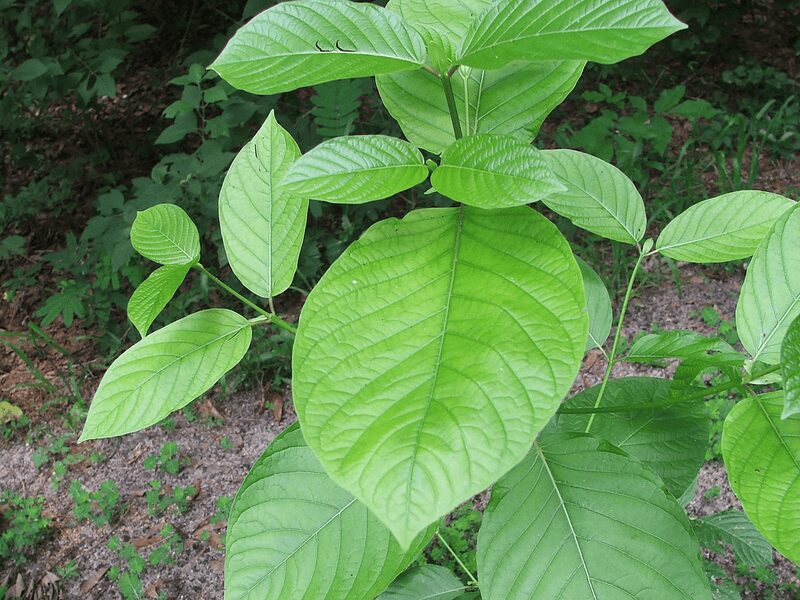
TL;DR: Yes, kratom is legal in most of Louisiana for adults aged 18 and older. The state regulates the sale and distribution of kratom under the Louisiana Kratom Consumer Protection Act (KCPA). However, it is crucial to know that several individual parishes have enacted their own bans, making possession and sale illegal within their jurisdictions. As of late 2023, these parishes include Ascension, Franklin, Ouachita, Rapides, St. Tammany, Union, and West Feliciana. For 2026, the legal status will depend on future legislative sessions and local parish decisions, but the KCPA currently provides a stable regulatory framework.
Kratom, a botanical substance derived from the Southeast Asian tree Mitragyna speciosa, has become a familiar product on the shelves of smoke shops, herbal stores, and gas stations across Louisiana. Its rise in popularity has been met with a complex and often contentious legislative response. Unlike many states that have opted for outright bans or have no regulations at all, Louisiana has charted a middle course, reflecting a deep-seated debate between consumer freedom, public health, and regulatory oversight.
This path culminated in the passage of the Louisiana Kratom Consumer Protection Act (KCPA), signed into law as Act 248 during the 2022 legislative session. This landmark legislation established a regulatory framework for the entire state, aiming to ensure product safety and keep kratom out of the hands of minors. Yet, the story doesn’t end there. The law allows individual parishes to impose stricter rules, including complete bans, creating a patchwork of legality across the state. Understanding both the statewide rules and the local exceptions is essential for any consumer or retailer in Louisiana.
Is Kratom Legal in Louisiana?
No — kratom remains illegal in Louisiana as of 2026. A statewide ban took effect on August 1, 2025, when Senate Bill 154 (Act 41) officially reclassified kratom and its primary active compounds (mitragynine and 7-hydroxymitragynine) as Schedule I controlled substances under Louisiana’s Uniform Controlled Dangerous Substances Law. This means it is unlawful to possess, sell, distribute, manufacture, or use kratom anywhere in the state.
The Louisiana Kratom Consumer Protection Act (KCPA) Explained
The passage of the Louisiana KCPA marked a significant turning point in the state’s relationship with kratom. Before this act, the market was largely unregulated, leaving consumers with little information about product purity or safety. The KCPA was championed by advocacy groups like the American Kratom Association (AKA) as a responsible alternative to a complete prohibition, which had been proposed in several previous legislative sessions. The law’s primary goal is to treat kratom as a legitimate consumer product that requires sensible safety standards.
Key Provisions of Act 248
The Louisiana KCPA, or Act 248, sets clear guidelines for anyone who manufactures, distributes, or sells kratom products within the state. These rules are designed to protect consumers and ensure a transparent marketplace.
- Age Restriction: The sale of kratom to any person under the age of 18 is strictly prohibited. Retailers are required to verify the age of purchasers.
- Labeling Requirements: All kratom products must be clearly labeled with directions for safe and effective use. The label must also include the amount of mitragynine and 7-hydroxymitragynine contained in the product.
- Prohibition of Adulterants: The law makes it illegal to sell any kratom product that is adulterated with a dangerous non-kratom substance. This includes products containing synthetic alkaloids or any substance that could affect the quality or strength of the kratom in a way that poses a risk to consumers.
- Penalties for Violations: Businesses or individuals who violate the provisions of the KCPA face significant penalties. These can include fines ranging from $500 to $1,000 and potential imprisonment for up to six months.
The Rationale Behind Regulation Over Prohibition
The decision to regulate kratom rather than ban it was the result of intense debate and advocacy. Proponents of a ban often cited concerns from some public health officials and law enforcement about the substance’s potential for misuse. However, a large and organized community of kratom consumers argued that the plant provided them with significant wellness benefits. They testified in legislative hearings, sharing personal stories and emphasizing that a ban would only drive the market underground, making it more dangerous.
Advocacy groups successfully argued that a regulated market was the safest option. By implementing standards for testing, labeling, and age verification, the KCPA addresses many of the primary safety concerns. This approach allows adults to continue accessing the product while providing the state with the tools to punish bad actors who sell contaminated or mislabeled products. It represents a legislative compromise that acknowledges both the potential risks and the reported benefits of kratom.
Navigating Parish-Level Bans: Where Kratom is Illegal in Louisiana
While the KCPA provides a legal framework for kratom at the state level, it does not prevent local governments from enacting their own, stricter rules. This is a critical detail for anyone in Louisiana to understand. A product that is legal to buy in one parish may be illegal to possess just a few miles away in another. These local ordinances carry the full force of law, and violating them can lead to fines and arrest.
A Current List of Prohibited Parishes
As of the end of 2023, several parishes have passed ordinances to ban the sale and, in some cases, possession of kratom. It is vital to check the most current local laws, as this list can change. The parishes with known kratom bans include:
- Ascension Parish
- Franklin Parish
- Ouachita Parish
- Rapides Parish
- St. Tammany Parish
- Union Parish
- West Feliciana Parish
Living in or traveling through these areas with kratom can put you at legal risk. The penalties are determined by the specific parish ordinance and are often treated as misdemeanors.
Understanding How Local Ordinances Work
Parish-level bans are passed by the local governing body, typically called the Parish Council or Police Jury. These decisions are often driven by local concerns, which may differ from the broader consensus at the state capitol. For example, a parish council might be influenced by testimony from the local sheriff’s office or health department that is more skeptical of kratom than state-level officials.
These ordinances function independently of state law. The KCPA sets a minimum standard of regulation for the state, but it does not override a local government’s authority to ban the substance entirely within its borders. This is a common feature of Louisiana law, where parishes hold significant power. Therefore, consumers and retailers must perform due diligence not only on the state’s KCPA but also on the specific regulations in their parish of residence or operation.
The Legislative History: Louisiana’s Long Debate Over Kratom
The current legal status of kratom in Louisiana did not appear overnight. It is the product of years of legislative battles, grassroots advocacy, and shifting public perception. Understanding this history provides valuable context for where the laws might be headed in the future. The journey from near-prohibition to statewide regulation was a hard-fought one.
Early Attempts at a Statewide Ban
Before the KCPA was passed in 2022, several bills were introduced in the Louisiana Legislature with the goal of adding kratom’s primary alkaloids, mitragynine and 7-hydroxymitragynine, to the list of Schedule I controlled substances. This would have effectively banned the plant statewide, placing it in the same category as heroin and LSD. For example, bills like House Bill 19 in the 2019 session and House Bill 551 in 2021 sought to criminalize kratom completely.
The arguments for these bans were consistent. Proponents, often from certain law enforcement and public health circles, pointed to calls to poison control centers and warnings from the U.S. Food and Drug Administration (FDA). They framed kratom as a dangerous and addictive substance that posed a threat to public safety. These early efforts gained considerable traction and put the future of kratom in Louisiana in serious jeopardy.
The Role of Advocacy in Shaping Policy
The push for a statewide ban was met with a powerful and organized response from kratom consumers and advocates. The American Kratom Association played a central role, mobilizing thousands of Louisiana residents to contact their legislators, share their personal stories, and testify at public hearings. These advocates argued that kratom was a safe and effective tool for managing wellness, and that a ban would harm responsible adults who relied on it.
They also highlighted a key point: many of the negative reports associated with kratom were linked to adulterated products, not pure-leaf kratom itself. This argument was pivotal in shifting the conversation from prohibition to regulation. Instead of banning the plant, advocates proposed the Kratom Consumer Protection Act as a solution that would address safety concerns by creating a transparent and accountable market. This strategic shift proved to be highly effective, as it offered lawmakers a constructive path forward that didn’t involve criminalizing thousands of their constituents.
What Does the Future Hold? Kratom Legality in Louisiana for 2026 and Beyond
Looking ahead to 2026, the legal landscape for kratom in Louisiana remains dynamic. While the KCPA provides a solid foundation for continued legality, the situation is far from permanently settled. Future legislative sessions, evolving scientific research, and actions at the federal level could all influence the state’s approach. Consumers and industry stakeholders must remain engaged and informed.
Potential for New Legislation
Each new legislative session brings the possibility of new bills related to kratom. It is likely that there will be future attempts to either repeal the KCPA and enact a statewide ban or, conversely, to strengthen the KCPA with more robust testing and manufacturing standards. The outcome of these future debates will depend on the political climate, the effectiveness of ongoing advocacy efforts, and any new data that emerges regarding kratom’s safety and benefits.
The parish-level battles are also expected to continue. More parishes could move to ban kratom, or those with existing bans could reconsider their position. The success of the regulated market in other parts of the state could serve as a model that encourages some parishes to repeal their bans and adopt the KCPA framework instead. The outlook for 2026 is one of continued vigilance, where the legal status could become more solidified or more fragmented depending on these local decisions.
The Influence of Federal Regulation
A major factor that could impact Louisiana’s laws is the potential for federal action. The FDA has maintained a skeptical stance on kratom, and there have been discussions at the federal level about how to regulate it nationally. If the federal government were to pass a law, such as a federal KCPA, it could create a uniform standard across the country.
Conversely, if the FDA were to successfully classify kratom as a controlled substance, it would supersede Louisiana’s state law and make the plant illegal everywhere. While this outcome currently seems less likely given the growing number of states adopting KCPA-style regulations, it remains a possibility. The long-term legality of kratom in Louisiana and the rest of the country may ultimately be decided in Washington, D.C. For now, the state-level framework is the law of the land.
How to Buy Kratom Legally and Safely in Louisiana
For residents in parishes where kratom is legal, the KCPA has made it easier to find safe and reliable products. However, the responsibility still falls on the consumer to make informed choices. Navigating the market requires a keen eye for quality and compliance. Purchasing from a reputable source is the most important step you can take to ensure a safe experience.
Identifying Reputable Vendors
A trustworthy vendor, whether online or a local brick-and-mortar store, will be transparent and compliant with the law. Here are some signs of a reputable seller:
- AKA GMP-Qualified: Look for vendors who are part of the American Kratom Association’s Good Manufacturing Practices (GMP) program. This is a voluntary program where vendors agree to independent, third-party audits to ensure their facilities and processes meet high standards for safety and cleanliness.
- Clear, Compliant Labeling: A good product will have a professional label that includes all the information required by the KCPA: alkaloid content, directions for use, and manufacturer information. It should not make any unapproved health claims.
- Accessible Lab Results: The best vendors make lab test results, often called Certificates of Analysis (COA), available to their customers. These tests verify the product is free of contaminants like heavy metals, bacteria, and mold, and confirm the alkaloid profile.
Red Flags to Watch For
Just as there are signs of a good vendor, there are also clear warning signs of a product or seller to avoid. Be cautious if you encounter any of the following:
- Aggressive Health Claims: Any product that claims to treat, cure, or prevent a disease is violating FDA regulations and is likely untrustworthy.
- Unusually Low Prices: While everyone loves a good deal, prices that are significantly lower than the market average can be a red flag for poor quality or even contaminated products.
- Lack of Information: Avoid vendors who are not transparent about where their kratom comes from, how it is processed, or whether it is tested.
Understanding the Science and Safety Concerns
The debate over kratom is rooted in its unique chemical composition and its effects on the human body. The primary active compounds in the kratom leaf are mitragynine and 7-hydroxymitragynine. These alkaloids interact with receptors in the brain, producing a range of effects that users report as beneficial for mood, energy, and comfort. Understanding the science helps explain both its appeal and the concerns surrounding it.
The Key Alkaloids and Their Effects
Mitragynine is the most abundant alkaloid in kratom and is primarily responsible for its stimulating effects at low doses and more sedating effects at higher doses. 7-hydroxymitragynine is present in much smaller quantities but is significantly more potent. The precise balance of these and other minor alkaloids can vary from one strain to another, leading to different user experiences. The KCPA’s requirement to list the content of these two key alkaloids on the label is a direct response to their importance.
The Arguments Behind Safety Concerns
Opponents of kratom legalization often point to several key concerns. The FDA has issued warnings about kratom, citing reports of adverse events and concerns about its potential for addiction. Some studies suggest that heavy, long-term use can lead to dependence. It is also important to recognize that the vast majority of serious health issues reportedly linked to kratom have involved products that were contaminated with other dangerous substances or were used in combination with other drugs.
This is precisely why regulation like the KCPA is so critical. By making it illegal to sell adulterated kratom, the law directly targets the greatest known risk associated with the product. It separates the market for pure, tested kratom from a dangerous black market where products could be contaminated with anything. The goal of the KCPA is to mitigate these risks and allow adults to make their own informed decisions with a product that is as safe as possible.
Louisiana Kratom Laws 2026
Penalties for Kratom Law Violations in Louisiana
The penalties for violating Louisiana’s kratom ban are significant:
- Possession of Less Than 20 Grams: A fine of up to $100.
- Possession of 20 Grams or More: Up to 6 months in jail or a fine of up to $1,000.
- Distribution or Sale: Penalties range from 1 to 5 years in prison or a fine of up to $50,000.
Penalties you should know
| Conduct | Amount possessed | Fine | Jail time |
| Making or selling | < 500 g | up to $50,000 | 1–3 years (with or without hard labor) |
| ≥ 500 g | up to $50,000 | 1–5 years (with or without hard labor) | |
| Possessing | ≤ 20 g | up to $100 | none |
| > 20 g (first offense) | up to $500 | up to 6 months parish jail | |
| > 20 g (second or later) | up to $1,000 | up to 6 months parish jail |
The Louisiana Office of Alcohol and Tobacco Control (ATC) is tasked with enforcing the ban, integrating compliance checks into regular operations starting July 1, 2025, to ensure public safety.
Local Ban of Kratom in Louisiana Preceding the Statewide Ban
Even before the statewide ban, several Louisiana parishes and municipalities had already prohibited kratom, reflecting local concerns about its safety and potential for addiction. As of 2025, the following areas had implemented bans:
- Ascension Parish: Banned kratom on August 18, 2022.
- Rapides Parish: Prohibited possession, sale, and use starting October 10, 2022.
- Grant Parish: Banned kratom on October 13, 2022.
- LaSalle Parish, Tangipahoa Parish, Union Parish, Ouachita Parish (unincorporated areas), Zachary, and Ponchatoula: Each enacted local bans, with some, like Ouachita and Zachary, implemented in late 2023 and 2024.
These local prohibitions foreshadowed the statewide ban, driven by concerns from law enforcement and coroners about kratom’s health risks, including its association with overdose deaths and addiction.
Legislative History of Kratom in Louisiana
Kratom’s legal status in Louisiana has been volatile, with multiple legislative attempts to regulate or ban it over the years. Below is a timeline of key developments:
- 2014: A bill was introduced to classify kratom’s primary alkaloids (mitragynine, 7-hydroxymitragynine, and mitragynine pseudoindoxyl) as controlled substances. It failed to advance due to advocacy from groups like the American Kratom Association (AKA).
- 2015: A revised bill passed the Louisiana Senate but was amended to remove kratom’s alkaloids from the controlled substances list, keeping kratom legal.
- 2018: A Salmonella outbreak linked to contaminated kratom products raised public health concerns, prompting renewed scrutiny.
- 2019: The Louisiana Legislature passed a “trigger law” that would automatically classify kratom as a controlled substance if the Drug Enforcement Administration (DEA) listed it federally. The DEA considered scheduling kratom in 2016 but withdrew the proposal after public backlash.
- 2022-2023: Local bans proliferated in parishes like Ascension, Rapides, and Grant, driven by reports of kratom-related deaths and addiction concerns.
- 2023: Senate Bill 94, effective August 1, 2023, prohibited the sale of kratom products to individuals under 21, marking a step toward regulation rather than a full ban.
- 2025: Senate Bill 154, sponsored by State Senator Jay Morris (R-West Monroe), was passed by the Louisiana House (87-6) and Senate, criminalizing kratom possession and distribution. The bill awaits Governor Landry’s signature but is expected to take effect on August 1, 2025.
Additionally, House Bill 253 (HB 253), proposed in 2025 as an alternative to a ban, sought to regulate kratom by limiting 7-hydroxymitragynine concentrations to natural levels, requiring product registration with the Louisiana Department of Health (LDH), and mandating labeling with warnings about habit-forming potential. However, this regulatory approach was overshadowed by the passage of SB 154.
Why Was Kratom Banned in Louisiana?
The push to ban kratom in Louisiana stemmed from concerns about its safety, lack of regulation, and potential for abuse, as highlighted by lawmakers, coroners, and federal agencies like the U.S. Food and Drug Administration (FDA) and DEA.
Health and Safety Concerns of Kratom in Louisiana
- FDA Warnings: The FDA has labeled kratom a “drug of concern” and warned against its use due to risks of addiction, withdrawal, and overdose. Side effects include nausea, hallucinations, seizures, liver damage, and, in rare cases, death, particularly when combined with other substances.
- Coroner Reports: In October 2024, St. Tammany Parish Coroner Dr. Christopher Tape issued a warning after a 36-year-old woman died from “polydrug toxicity” involving an excessive dose of kratom. This case, along with a 2024 wrongful death lawsuit filed by Herman, Katz, Gisleson & Cain (HKGC) for a 25-year-old man’s death in West Monroe, underscored kratom’s risks.
- Addiction and Overdose: The National Institute on Drug Abuse (NIDA) notes that kratom’s opioid-like effects at high doses can lead to dependency and withdrawal symptoms. Overdose symptoms mimic those of opioids, including drowsiness, respiratory depression, and confusion.
Local and Law Enforcement Perspectives
- Parish-Level Actions: Parishes like Ascension and Rapides banned kratom due to rising addiction concerns and reports of adverse effects. State Representative Gabe Firment and others argued that kratom’s availability in gas stations and smoke shops facilitated abuse.
- Legislative Arguments: Senator Jay Morris and Representative Debbie Villio (R-Kenner) championed SB 154, citing kratom as a “public health scourge” responsible for addiction and deaths. Villio referenced personal stories of loss, including the Lubrano family’s presence during legislative debates, to emphasize the human toll.
Counterarguments from Advocates
Kratom advocates, including the American Kratom Association (AKA) and users like army veteran Marlon Chouccoli, argue that kratom offers therapeutic benefits, such as pain relief and opioid withdrawal management, with minimal risks when used responsibly. They contend that:
- Regulation, like the proposed Kratom Consumer Protection Act (KCPA), would ensure product safety through Good Manufacturing Practices (GMP) and third-party testing, reducing risks of contamination or adulteration.
- The ban criminalizes an estimated 325,000 Louisiana users, potentially driving them to unregulated black markets or more dangerous substances like street opioids.
- Personal testimonies, such as those from Representative Peter Egan (R-Covington), highlight kratom’s role in helping individuals manage chronic pain and mental health issues without pharmaceuticals.
Despite these arguments, the Louisiana Legislature prioritized prohibition over regulation, reflecting a broader trend of caution toward unregulated substances.
Federal Context and Its Influence on Kratom in Louisiana
At the federal level, kratom remains legal but unregulated, as it is not listed under the Controlled Substances Act. The FDA considers kratom an unapproved drug and has issued warnings about products like OPMS Black Liquid Kratom, linked to at least one death. The DEA’s 2016 attempt to classify kratom as a Schedule I substance was halted due to public outcry, but it remains a “drug of concern.”
Louisiana’s 2019 trigger law tied kratom’s state legality to potential federal scheduling, which influenced local bans and the eventual passage of SB 154. The lack of federal regulation has left states like Louisiana to address kratom independently, resulting in varied approaches nationwide. For example, states like Alabama, Arkansas, and Indiana have banned kratom, while others, like Nevada and Utah, have adopted the KCPA to regulate it.
Public Sentiment and Advocacy on Kratom Ban in Louisiana
Recent posts on X reflect strong opposition to Louisiana’s kratom ban among users and advocates, who argue it disregards the needs of consumers relying on kratom for health benefits. For instance:
- Users like @MattMeaux1 expressed concern for the 325,000 Louisianans using kratom, warning of potential increases in suicides and overdoses due to the ban.
- @Kpascuch suggested the ban prioritizes prison profits over consumer safety, predicting users may turn to illegal narcotics or source kratom from neighboring states like Mississippi.
- @cofoppyplop lamented the criminalization of a “good” product, comparing users to law-abiding citizens turned into criminals overnight.
The American Kratom Association has vowed to continue advocating for regulation rather than bans, planning to lobby the Louisiana Legislature in future sessions for science-based policies.
Implications of Louisiana Kratom Ban for Consumers and Vendors
The statewide ban, effective August 1, 2025, has significant implications:
- Consumers: Individuals using kratom for pain, anxiety, or opioid withdrawal must cease use or risk legal consequences. Some may seek kratom from neighboring states or unregulated online sources, increasing risks of contaminated products.
- Vendors: Brick-and-mortar stores in cities like New Orleans, Shreveport, and Metairie, as well as online retailers like MIT45 and Happy Hippo, must halt kratom sales in Louisiana or face penalties. The ban disrupts a market where kratom was a top-selling product, second only to CBD in some shops.
- Legal Recourse: Families affected by kratom-related deaths are pursuing wrongful death lawsuits, such as those filed by HKGC against manufacturers like OPMS Kratom, seeking compensation for losses due to inadequate warnings or contaminated products.
Navigating the Louisiana Ban: Advice for Louisiana Residents
For Louisiana residents, compliance with the new law is critical to avoid penalties. Here are key recommendations:
- Cease Possession and Use: As of August 1, 2025, possessing kratom in any form (powder, capsules, liquid) is illegal. Dispose of existing supplies safely to avoid fines or jail time.
- Avoid Illegal Sources: Purchasing kratom from unregulated online vendors or neighboring states risks legal consequences and exposure to unsafe products. The FDA has flagged contaminated kratom products, such as those recalled for Salmonella in 2018.
- Seek Alternatives: Consult healthcare providers for FDA-approved treatments for pain, anxiety, or opioid withdrawal, such as physical therapy, prescription medications, or counseling.
- Stay Informed: Monitor updates from the Louisiana Department of Health and legis.la.gov for changes in enforcement or future legislative efforts to regulate rather than ban kratom.
- Engage in Advocacy: Join groups like the American Kratom Association to support efforts for science-based regulation in future legislative sessions.
Conclusion
In summary, kratom is legal in Louisiana for adults over 18 under the framework of the Kratom Consumer Protection Act. This legislation mandates clear labeling, prohibits dangerous adulterants, and establishes penalties for non-compliance, creating a regulated market designed for consumer safety. However, the legal landscape is complicated by bans in several individual parishes, making it essential for residents to be aware of their local laws. The future of kratom in Louisiana, particularly looking toward 2026, will be shaped by ongoing legislative debates, local politics, and potential federal actions.
To ensure you are acting within the law and consuming a safe product, always verify the rules in your specific parish and purchase only from reputable vendors who comply with all aspects of the KCPA. Prioritize sellers who provide transparent, third-party lab testing and are committed to high-quality standards. For the most current information on local ordinances, consult your parish government’s official website and consider following advocacy organizations like the American Kratom Association for updates on state and federal legislation. Staying informed is the best way to responsibly participate in Louisiana’s evolving kratom market.
For those affected by kratom-related issues, consulting kratom attorneys can provide legal recourse. As the debate continues, staying informed and advocating for balanced policies will be crucial for shaping kratom’s future in Louisiana. If you have been injured or lost a loved one due to kratom, fill out the form below for free case evaluation.