
TL;DR
Yes, Kratom is legal to buy, sell, and possess in Georgia for adults who are 18 years of age or older. The state does not have a ban; instead, it regulates the industry through the Georgia Kratom Consumer Protection Act (KCPA), which was signed into law in 2019. This act mandates specific labeling requirements, prohibits the sale of adulterated or contaminated Kratom products, and makes it illegal to sell to anyone under 18. As of now, Georgia’s regulatory framework remains stable, with no active legislation pointing toward a ban by 2026.
Introduction
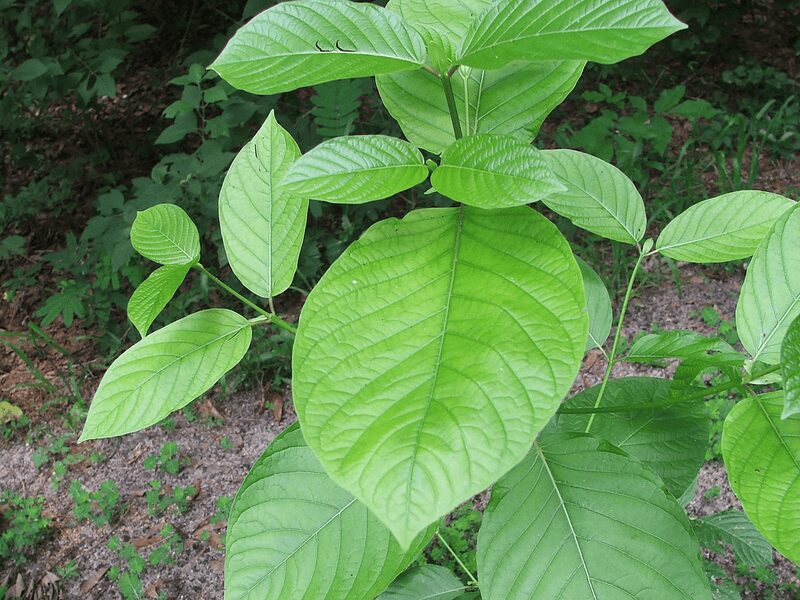
Kratom, derived from the leaves of the Mitragyna speciosa tree native to Southeast Asia, has seen a significant rise in popularity across the United States. In Georgia, from Atlanta’s bustling metro to the quiet coastal towns, residents have increasingly sought out this botanical for its reported wellness and energy-related properties. This growing interest has placed Kratom directly in the middle of a national conversation, with federal agencies like the Food and Drug Administration (FDA) expressing concerns while consumer advocates push for safe, regulated access.
Unlike some states that opted for outright bans, Georgia chose a different path. Lawmakers in the Peach State passed the Georgia Kratom Consumer Protection Act, establishing a legal framework for the industry. This decision reflects a legislative trend favoring regulation over prohibition, aiming to create a safer market for consumers rather than driving the product underground. Understanding the specifics of this law is essential for anyone looking to purchase or sell Kratom within the state, as it outlines clear rules for vendors and protections for buyers.
Is Kratom Legal in Georgia?
Kratom is legal in Georgia for purchase, possession, sale, and use by adults aged 21 and older, under the Georgia Kratom Consumer Protection Act (KCPA), enacted in April 2019 (O.C.G.A. § 16-13-122) and amended by House Bill 181 (HB 181), effective January 1, 2025. This legislation regulates kratom to ensure product safety, imposing strict labeling, testing, and age restrictions. Unlike six states, Alabama, Arkansas, Indiana, Rhode Island, Vermont, and Wisconsin, where kratom is banned, Georgia permits its use with robust consumer protections.
No local bans exist in major Georgia cities (Atlanta, Savannah, Augusta, Columbus) or counties (Fulton, Chatham, Richmond), making kratom widely accessible. However, violations of the KCPA, such as selling to minors or distributing adulterated products, carry significant penalties, including fines up to $100,000 and potential imprisonment. Recent misinformation on platforms like X, claiming kratom is illegal in Georgia, is inaccurate and highlights the need for clear information.
Understanding the Georgia Kratom Consumer Protection Act (KCPA)
The foundation of Kratom’s legal status in Georgia is the Kratom Consumer Protection Act (KCPA). Passed as House Bill 551 and signed into law in 2019, this legislation was a landmark decision that set Georgia apart from neighboring states like Alabama, which have completely banned the substance. The primary goal of the KCPA is not to endorse Kratom but to ensure that consumers who choose to use it have access to products that are pure, properly labeled, and unadulterated. The law was heavily supported by advocacy groups like the American Kratom Association (AKA), which promotes the KCPA as a model for other states to follow.
Key Provisions of the KCPA
The Georgia KCPA establishes several critical rules that all Kratom vendors operating in the state must follow. These regulations are designed to protect public health and prevent deceptive marketing practices.
- Age Restriction: The law makes it illegal to sell Kratom to any individual under the age of 18. Retailers are required to verify the age of customers, similar to how they handle tobacco or vape products.
- Labeling Requirements: Every Kratom product sold in Georgia must include a label that clearly states its ingredients and the amount of mitragynine and 7-hydroxymitragynine it contains. The label must also provide the name and address of the manufacturer or distributor.
- Purity and Adulteration Standards: The KCPA strictly prohibits the sale of any Kratom product that is adulterated with a dangerous non-kratom substance. It also bans products containing synthetic alkaloids or any other compound that would alter the plant’s natural composition in a way that could be harmful. Selling Kratom mixed with scheduled controlled substances is a serious offense under this act.
What the KCPA Means for Consumers
For Georgia residents, the KCPA provides a significant layer of security. Before this law, the Kratom market was largely unregulated, leaving consumers vulnerable to contaminated products or misleading information. Now, the act empowers buyers by giving them the tools to make informed choices. If a product lacks proper labeling or seems suspicious, consumers can recognize it as non-compliant and potentially unsafe. Furthermore, the law establishes clear penalties for vendors who violate its terms, including fines and potential criminal charges, creating a strong incentive for businesses to adhere to quality standards.
The Role of the American Kratom Association (AKA)
The American Kratom Association played a pivotal role in advocating for the passage of the KCPA in Georgia. This non-profit organization works nationwide to protect consumers’ rights to access safe Kratom. A central part of their effort is the GMP (Good Manufacturing Practices) Standards Program. The AKA encourages vendors to become certified through this program, which involves third-party audits to ensure products are tested for contaminants like heavy metals, salmonella, and E. coli. While AKA GMP certification is voluntary, it aligns perfectly with the spirit of the KCPA and serves as a reliable indicator of a vendor’s commitment to quality and safety.
Is Kratom Legal in Georgia? The Current Status Explained
To be perfectly clear: Kratom is legal in Georgia for adults 18 and older. The state’s approach is one of regulation, not prohibition. This means that as long as you meet the age requirement, you can legally purchase, possess, and use Kratom. The laws are focused on the responsibilities of the sellers to ensure the products they offer are safe and accurately represented. This regulatory environment makes Georgia a state where consumers can access Kratom with more confidence than in states with no laws at all.
Where Can You Buy Kratom in Georgia?
Kratom is widely available across Georgia in various retail locations. You can typically find it in smoke shops, vape stores, herbal shops, and some convenience stores. The quality and selection can vary greatly from one store to another, so it is important for consumers to be discerning. The KCPA applies to all sales within the state, whether they occur in a brick-and-mortar store in Savannah or through an online vendor shipping to a residence in Athens. When buying online, it is crucial to ensure the company is compliant with Georgia’s labeling and purity laws.
Possession and Usage Laws
Georgia law does not specify a legal limit on the amount of Kratom a person can possess for personal use. As long as you are over 18, possessing Kratom powder, capsules, or extracts is not a crime. However, the use of Kratom in public spaces is not explicitly addressed. General public decency and intoxication laws could potentially apply if an individual’s behavior becomes disruptive. It is always wise to consume Kratom responsibly in a private setting. The law is silent on personal cultivation, but since the plant itself is not a controlled substance, growing it for personal use is not prohibited.
Driving Under the Influence of Kratom
This is a critical point every consumer must understand. While Kratom is legal, driving while impaired by any substance is illegal in Georgia. The state’s DUI laws (O.C.G.A. § 40-6-391) are not limited to alcohol or illicit drugs. A person can be charged with a DUI-D (Driving Under the Influence of Drugs) if they are found to be a “less safe” driver due to the consumption of any substance, including a legal one like Kratom.
- Scenario Example: Imagine you are pulled over for a minor traffic violation, like weaving in your lane. If the officer suspects you are impaired and you admit to recently taking Kratom, this could lead to a field sobriety test and a potential DUI-D arrest. The legality of the substance is not a defense if it has compromised your ability to operate a vehicle safely.
A History of Kratom Legislation in Georgia
Georgia’s path to regulating Kratom was not immediate. Like many states, it first had to consider the arguments for and against the substance. The legislative history shows a thoughtful transition from considering a ban to embracing a regulatory framework, offering a case study in how public advocacy and a desire for consumer safety can shape policy.
The Push for a Ban (Pre-2019)
Before the KCPA was introduced, there were discussions among some Georgia lawmakers about banning Kratom entirely. These conversations were often fueled by reports from other states, warnings from the FDA, and concerns about the potential for abuse and addiction. The primary arguments for a ban centered on the lack of federal regulation and a number of highly publicized cases where Kratom was linked to adverse health outcomes, although many of these cases involved products that were adulterated with other dangerous substances. The fear of the unknown and the desire to protect public health were the main drivers behind the initial push for prohibition.
The Shift Towards Regulation
The conversation in Georgia shifted dramatically thanks to the organized efforts of Kratom consumers and advocates. The American Kratom Association, along with thousands of Georgia residents, launched a campaign to educate legislators. They argued that a ban would not eliminate Kratom but would instead create an unregulated, dangerous black market. This would leave consumers with no way of knowing if their products were pure or contaminated.
Advocates presented the KCPA as a sensible middle ground. They framed it as a pro-safety, pro-consumer bill that would hold vendors accountable and provide transparency. By requiring lab testing, clear labeling, and an age restriction, the state could address the legitimate safety concerns without resorting to a complete ban. This argument proved persuasive, and lawmakers ultimately agreed that regulation was a more effective and responsible approach than prohibition. The passage of HB 551 in 2019 marked a victory for this logic.
Federal Oversight and Its Impact on Georgia’s Laws
While Georgia has established its own clear laws regarding Kratom, the state’s regulations do not exist in a vacuum. The federal government, primarily through the FDA and the Drug Enforcement Administration (DEA), continues to monitor Kratom, and any future federal action could directly override Georgia’s state law. Understanding the federal position is key to seeing the complete picture of Kratom’s long-term legal status.
The FDA’s Stance on Kratom
The FDA has maintained a consistently skeptical and concerned stance on Kratom. The agency has issued numerous warnings to the public, citing potential safety issues and a lack of approved medical uses. The FDA has not approved Kratom for any therapeutic purpose and has actively worked to prevent its importation, issuing import alerts that allow federal agents to seize shipments at the border. The agency’s primary concerns revolve around the substance’s opioid-like properties and reports of adverse events. It continues to advise consumers to avoid using Kratom until more conclusive scientific research is available.
The DEA’s Position and Past Actions
The DEA’s history with Kratom is particularly notable. In 2016, the agency announced its intent to place Kratom’s primary active alkaloids, mitragynine and 7-hydroxymitragynine, onto Schedule I of the Controlled Substances Act. This would have made Kratom illegal nationwide, placing it in the same category as heroin and LSD. The announcement triggered a massive public backlash, with tens of thousands of citizens and dozens of members of Congress voicing their opposition. In an unusual move, the DEA withdrew its notice of intent, citing the need to consider the public comments and to allow for further scientific and medical evaluation. While the DEA has not made a similar move since, it continues to list Kratom as a “Drug of Concern.”
How Federal Actions Could Affect Georgia
The future of Kratom in Georgia is intrinsically linked to these federal discussions. If the DEA were to successfully schedule Kratom as a controlled substance, or if Congress were to pass a federal ban, these actions would supersede Georgia’s KCPA. Federal law takes precedence over state law in matters of drug scheduling. This means that even though Georgia has created a legal, regulated market, a federal ban would make it illegal to buy, sell, or possess Kratom anywhere in the state. This possibility is the single largest threat to the long-term legality of Kratom in Georgia and across the country.
The Future of Kratom in Georgia: What to Expect by 2026
Looking ahead to 2026, the legal landscape for Kratom in Georgia appears relatively stable, but it is not without potential for change. The existing KCPA provides a strong foundation for a regulated market, but consumers and vendors should remain aware of developments at the state, local, and federal levels. The conversation around Kratom is dynamic, and laws can evolve as new information becomes available.
Potential for New State Legislation
Currently, there are no significant legislative efforts underway in the Georgia General Assembly to either ban Kratom or drastically alter the KCPA. The act is generally viewed as a successful compromise that addresses public safety concerns. However, it is possible that lawmakers could propose amendments in the coming years. These might include strengthening the testing requirements, increasing penalties for violations, or raising the minimum age for purchase from 18 to 21 to align with tobacco and alcohol laws. Advocacy groups will likely continue to work to protect the existing law from any attempts to repeal it.
The Risk of Local and County-Level Bans
One of the most important factors to watch is the potential for local ordinances. Even when a substance is legal at the state level, individual cities and counties can sometimes pass their own, more restrictive laws. This has happened in other states with legal Kratom, where specific counties or municipalities have enacted local bans. For example, Sarasota County in Florida has banned Kratom despite it being legal in the rest of the state. As of now, no major city or county in Georgia has banned Kratom, but this remains a possibility. Residents should pay attention to their local city council and county commission meetings for any discussions on the topic.
The Ongoing National Debate
Ultimately, the long-term forecast for Kratom in Georgia through 2026 and beyond depends heavily on the national debate. The outcome will be shaped by three key areas:
- Scientific Research: Ongoing studies into Kratom’s safety, effects, and therapeutic potential will heavily influence regulators.
- Federal Policy: A definitive decision from the FDA or DEA could settle the matter nationwide.
- State-Level Adoption of the KCPA: The more states that adopt a KCPA-style regulatory model, the stronger the argument becomes for a national standard of regulation over prohibition.
For now, Georgia’s law serves as a protective measure for its residents, but the broader national context will be the deciding factor in the years to come.
Navigating Kratom Purchases Safely Under Georgia Law
With the KCPA in place, Georgia consumers are in a better position than most to find safe, high-quality Kratom. However, the law is only effective if buyers know what to look for and how to distinguish a responsible vendor from a questionable one. Making informed purchasing decisions is the best way to ensure your own safety and support a responsible industry.
How to Identify a Reputable Vendor
A trustworthy vendor, whether online or in a physical store, will be transparent and compliant with the law. Here are some positive signs to look for:
- AKA GMP Certification: The gold standard. A vendor participating in the American Kratom Association’s Good Manufacturing Practices program has committed to rigorous third-party auditing and high standards of quality control.
- KCPA-Compliant Labeling: Look for professional packaging that clearly lists the ingredients, the amount of active alkaloids, and the manufacturer’s contact information, as required by Georgia law.
- Accessible Lab Results: The best vendors make lab test results, or Certificates of Analysis (COA), available to their customers. These tests verify that the product is free from contaminants like heavy metals, bacteria, and mold.
- Avoids Medical Claims: Reputable sellers will not market their Kratom as a cure or treatment for any disease or medical condition, as such claims are illegal under FDA regulations.
Red Flags to Watch For
Conversely, there are several warning signs that should make you reconsider a purchase. Be cautious if you encounter any of the following:
- Products Labeled “Not for Human Consumption”: This is a tactic some vendors use to try to bypass regulations. It is a major red flag.
- Vague or Missing Labels: If a product has no ingredient list or manufacturer information, it is not compliant with the KCPA and should be avoided.
- Unusually Low Prices: While everyone loves a good deal, prices that are significantly lower than the market average could indicate a low-quality, old, or even contaminated product.
- Selling to Minors: Any shop that is willing to sell to individuals under 18 is clearly disregarding the law and cannot be trusted.
Understanding Different Kratom Strains and Products
Kratom is typically sold in several forms, including powder, capsules, and concentrated extracts. It is also often categorized by “vein color” (red, green, or white), which is said to correspond to different alkaloid profiles and effects. While these distinctions are important to many users, it is crucial for new consumers to start with small amounts to see how it affects them. Be particularly cautious with extracts, as they are far more potent than raw leaf powder and can be overwhelming for inexperienced users.
Conclusion
In summary, Kratom is legal for adults 18 and over in Georgia, thanks to the robust regulatory framework established by the Kratom Consumer Protection Act. This law prioritizes consumer safety by enforcing strict standards for labeling, purity, and age verification. It has positioned Georgia as a leader in responsible Kratom regulation, providing a blueprint that balances access with public health concerns. The legal status appears secure for the near future, with no immediate threats of a statewide ban on the horizon leading into 2026.
To remain a responsible consumer, the most important action you can take is to stay informed and purchase wisely. Always buy from reputable vendors who comply with the KCPA and, ideally, are certified by the AKA’s GMP program. By supporting businesses that prioritize transparency and quality, you not only protect your own well-being but also contribute to a safer and more sustainable industry. Keep an eye on any potential changes in local or federal laws, as the national conversation about Kratom continues to evolve.
For those harmed by kratom, legal recourse is available under Georgia’s product liability and wrongful death laws. Our Atlanta Kratom Attorneys can guide related claims, though consulting a Georgia kratom attorney is advised. Fill out our secure contact form today to explore your legal options and navigate Georgia’s evolving kratom landscape.