
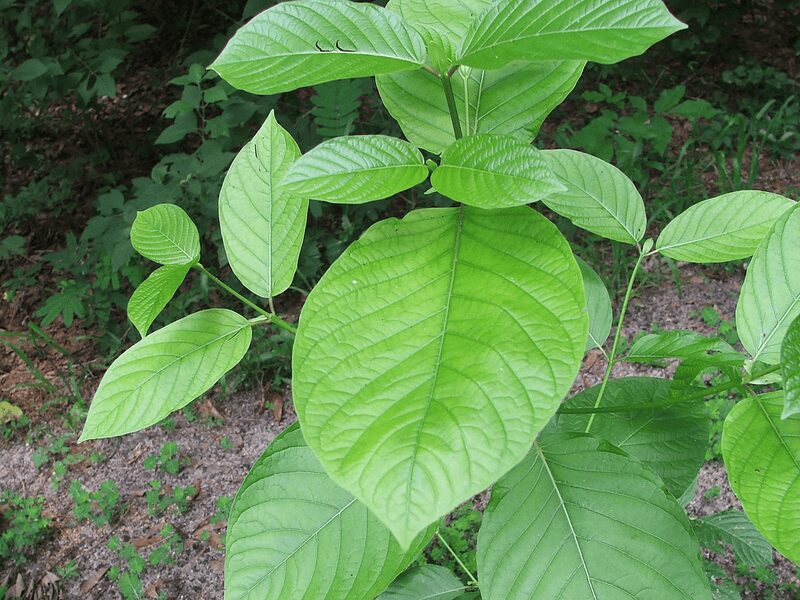
TL;DR: Is Kratom Legal in California?
Yes, Kratom is legal to buy, possess, and use at the state level in California. However, there is no statewide regulation, meaning no official age limits or product safety standards are enforced. Crucially, two municipalities have enacted local bans: the City of San Diego and the City of Oceanside. In these cities, possessing or selling Kratom is illegal. For the rest of California, Kratom remains legal, but consumers should always verify local ordinances and purchase from reputable suppliers to ensure safety.
Kratom, a botanical substance derived from the leaves of the Mitragyna speciosa tree native to Southeast Asia, has seen a significant rise in popularity across the United States. Its active compounds, primarily mitragynine and 7-hydroxymitragynine, interact with receptors in the brain to produce a range of effects, from stimulating at low doses to sedating at higher doses. This unique profile has led millions of Americans, including many in California, to use it for wellness, energy, and as an alternative to traditional remedies.
The legal status of Kratom in the United States is a complex patchwork of state and local laws. While it remains federally legal, the Food and Drug Administration (FDA) has not approved it for any medical use and has issued warnings about its potential risks. This lack of federal direction has left states and cities to create their own rules. California’s approach reflects this divided landscape, with statewide legality clashing with targeted local prohibitions. Understanding these different layers of law is essential for any consumer or business in the Golden State.
What is Kratom?
Kratom (Mitragyna speciosa) is a tropical evergreen tree grown in countries like Indonesia, Malaysia, Thailand, and Papua New Guinea. Its leaves contain over 40 alkaloids, primarily mitragynine and 7-hydroxymitragynine (7-OH-MG), which produce dose-dependent effects: low doses (1–5 grams) act as a stimulant, boosting energy and focus, while higher doses (>5 grams) can induce sedation, euphoria, and pain relief, resembling opioids. Traditionally used in Southeast Asia for pain management, fatigue reduction, and opioid withdrawal support, kratom is sold in the U.S. as powders, capsules, extracts, or beverages, available in vape shops, smoke shops, kava bars, and online.
Despite its reported benefits, kratom is controversial due to its potential for addiction, overdose, and adverse effects, particularly when adulterated with synthetic alkaloids or contaminants like fentanyl. The U.S. Food and Drug Administration (FDA) has not approved kratom for any medical use, classifying it as an unapproved drug and warning against its consumption due to risks like liver toxicity, seizures, and substance use disorder. The Drug Enforcement Administration (DEA) lists kratom as a “Drug of Concern” but has not scheduled it as a controlled substance, leaving regulation to states and localities.
Is Kratom Legal in California?
As of June 2025, kratom is legal to purchase, possess, use, and sell in California at the state level, with no specific legislation banning or restricting it. Unlike controlled substances like opioids, kratom is not classified under California’s Controlled Substances Act, allowing its widespread availability in most parts of the state.
However, the state has not adopted the Kratom Consumer Protection Act (KCPA), a model regulation implemented in states like Arizona and Nevada, which sets standards for age restrictions, labeling, and product purity. This lack of regulation means kratom products in California are not subject to mandatory testing or quality controls, raising concerns about safety and consistency.
California Assembly Bill AB 1088 (2025) proposes statewide regulations on kratom and products containing 7-hydroxymitragynine (7-OH) by incorporating them into the Sherman Food, Drug, and Cosmetic Law. The bill aims to address public health concerns by restricting the sale of kratom and 7-OH products to individuals 21 years and older, mandating child-resistant packaging, and banning marketing that appeals to children. It also prohibits selling products with 7-OH levels exceeding 2% of the total alkaloid content, a measure intended to prevent excessively potent kratom products. These restrictions align with similar laws already enacted in states like Texas, Arizona, Oklahoma, and Utah.
Supporters, including law enforcement and public health groups, argue that the bill provides necessary consumer protections against accidental ingestion, addiction, and exposure among minors. However, opponents, particularly consumer advocacy groups, contend that the 2% 7-OH cap could act as a de facto ban on certain kratom products, limiting access for those using it for pain management or opioid withdrawal. They also argue that percentage-based potency caps may be ineffective and easily manipulated. If enacted, AB 1088 would represent California’s first comprehensive kratom regulation, striking a balance between consumer protection and legal access without imposing a complete ban.
California’s Statewide Stance on Kratom
As of early 2024 and looking toward 2026, California has not passed any law that bans or regulates Kratom at the state level. This means that for the vast majority of the state, from the forests of Northern California to the deserts of the Inland Empire, the sale and possession of Kratom are permitted. Unlike some states that have set a minimum age for purchase (typically 18 or 21), California has no such statewide restriction. This places the responsibility squarely on vendors to act ethically and on consumers to be well-informed.
The absence of a statewide regulatory framework is a double-edged sword. On one hand, it allows for open access for adults who wish to use Kratom. On the other, it creates an unregulated market where product quality, purity, and safety can vary dramatically. Without state-mandated testing, consumers risk purchasing products contaminated with heavy metals, salmonella, or other harmful substances. This is a primary reason advocacy groups like the American Kratom Association (AKA) have been actively pushing for legislation.
This legislative inaction at the state level is not uncommon. The California State Legislature deals with thousands of bills each session, and niche topics like Kratom regulation often struggle to gain the momentum needed to pass. Lawmakers may be hesitant to act without a clear consensus from public health officials, law enforcement, and the public. This legislative vacuum has allowed individual cities to step in and create their own policies, leading to a confusing and inconsistent legal environment for residents.
Local Bans and Restrictions: A Tale of Two Cities
While Kratom is legal across most of California, anyone within San Diego County needs to be particularly cautious. Two major cities in the region have enacted specific ordinances that make Kratom illegal within their jurisdictions. These local laws supersede the state’s permissive stance, and violating them can lead to legal consequences.
The San Diego Kratom Ban
The City of San Diego is the most prominent jurisdiction in California to have outlawed Kratom. The city council added Kratom to its list of prohibited psychoactive substances, grouping it with synthetic drugs like “spice” and “bath salts.” Under San Diego Municipal Code §56.4001 et seq., it is unlawful to possess, sell, or distribute Kratom. The ban was enacted due to concerns from local officials about potential health risks and a lack of regulation. For residents and visitors, this means that Kratom cannot be purchased from local shops or even possessed within city limits, regardless of where it was bought.
Oceanside’s Kratom Prohibition
Following San Diego’s lead, the nearby City of Oceanside also passed an ordinance to ban Kratom. The rationale was similar, citing public health and safety concerns. The Oceanside City Council aimed to prevent the sale of unregulated botanical substances that they believed could pose a risk to the community. This ban further solidifies a pocket of prohibition within Southern California, creating confusion for those who may travel between neighboring cities where Kratom remains legal.
Why Local Governments Act Independently
California operates under a system that gives significant autonomy to its cities and counties, often referred to as “home rule.” This allows municipalities to pass ordinances that are stricter than state law, as long as they do not conflict with it. Since the state has no law protecting or regulating Kratom, cities like San Diego and Oceanside are free to ban it. This is why it is critical for consumers to check the laws not just for the state, but for the specific city and county they are in.
California Kratom Legality at a Glance
| Location | Legal Status | Key Details |
|---|---|---|
| State of California | Legal | No statewide regulations, age limits, or safety standards. |
| City of San Diego | Illegal | Banned under a municipal ordinance prohibiting psychoactive substances. |
| City of Oceanside | Illegal | Banned under a local ordinance due to public health concerns. |
| City of Los Angeles | Legal | Subject only to the statewide permissive stance. |
| City of San Francisco | Legal | Subject only to the statewide permissive stance. |
The Push for Regulation: California and the KCPA
The primary legislative effort to bring stability and safety to the Kratom market is the Kratom Consumer Protection Act (KCPA). This model legislation, drafted and promoted by the American Kratom Association, is not a ban. Instead, it is a regulatory framework designed to protect consumers and hold vendors accountable. Several states, including Utah, Arizona, and Oregon, have already passed versions of the KCPA.
The core components of the KCPA typically include:
- Age Restrictions: Prohibiting the sale of Kratom products to individuals under 18 or 21.
- Labeling Requirements: Mandating that all products clearly list their ingredients and the amount of mitragynine and 7-hydroxymitragynine they contain.
- Purity and Potency Standards: Making it illegal to sell Kratom that is adulterated with dangerous substances or contains unsafe levels of contaminants like heavy metals or microbes.
- Registration and Compliance: Requiring vendors to register with a state agency to ensure they are following the rules.
Advocates have been working to introduce a version of the KCPA in California. While past attempts have not yet succeeded in passing into law, the effort is ongoing. The primary argument for the KCPA is that it addresses the legitimate safety concerns raised by officials in places like San Diego without resorting to an outright ban that drives the market underground. By creating a regulated system, consumers can be confident that the products they buy are properly tested and accurately labeled. As we look toward 2026, the potential passage of a California KCPA remains the most significant development to watch.
Federal Oversight: The FDA and DEA’s Position
While state and local laws have the most direct impact on consumers, the positions of federal agencies like the FDA and the Drug Enforcement Administration (DEA) shape the national conversation around Kratom. Currently, Kratom is not a controlled substance under federal law. However, that does not mean federal agencies have ignored it.
The FDA’s Stance
The FDA has maintained a consistently skeptical and cautionary stance on Kratom for years. The agency has not approved Kratom for any medical use and has issued numerous public warnings about its potential for abuse, addiction, and other adverse health effects. The FDA has also conducted seizures of Kratom shipments at ports of entry, citing concerns about adulterated products and illegal health claims made by importers. It is important to note that the FDA regulates products based on their intended use. Any vendor who markets Kratom as a treatment or cure for a specific disease is violating federal law, and the FDA can take enforcement action against them.
The DEA’s History with Kratom
The most significant federal action concerning Kratom occurred in 2016 when the DEA announced its intent to use its emergency scheduling authority to classify mitragynine and 7-hydroxymitragynine as Schedule I controlled substances. This would have placed Kratom in the same category as heroin and LSD, making it illegal nationwide. The announcement triggered a massive public backlash from consumers, veterans groups, and scientists who argued that the move was an overreach based on insufficient evidence. In an unprecedented move, the DEA withdrew its notice of intent, citing the need to consider the thousands of public comments it received. Since then, the DEA has not made any further attempts to schedule Kratom, leaving regulation to other agencies and state governments.
How to Safely and Legally Purchase Kratom in California
For those living in or visiting the parts of California where Kratom is legal, purchasing it safely requires diligence. The unregulated nature of the market means the quality of products can differ greatly from one vendor to another. Following a few key principles can help ensure a safe and legal experience.
Expert Tip: Verify Your Local Laws First
Before making any purchase, confirm the laws in your specific city and county. A quick search for “[Your City Name] municipal code kratom” is a good starting point. Do not assume that because it is legal in a neighboring town, it is legal where you are. This is especially true in Southern California, where legal and illegal jurisdictions are close together.
Expert Tip: Choose Reputable, AKA-Certified Vendors
The most reliable indicator of a trustworthy vendor is their participation in the American Kratom Association’s Good Manufacturing Practices (GMP) Standards Program. This is a voluntary program where vendors agree to have their facilities and processes audited by an independent third party. AKA GMP-qualified vendors are committed to:
- Testing every batch of Kratom for contaminants and potency.
- Following strict procedures for sanitation and manufacturing.
- Providing accurate and transparent labeling.
- Making lab results (Certificates of Analysis) available to customers.
Choosing a vendor that proudly displays its AKA GMP qualification is the best way to avoid contaminated or low-quality products.
Red Flags to Watch For in a Kratom Vendor
- Making Medical Claims: Reputable vendors know it is illegal to market Kratom as a cure or treatment for any health condition. Avoid any company that makes explicit claims like “cures anxiety” or “treats chronic pain.”
- No Lab Testing: A trustworthy vendor will always have their products tested by a third-party lab and will be willing to share the results. If a vendor cannot provide a Certificate of Analysis, do not buy from them.
- Unprofessional Packaging: Products sold in unmarked bags or with handwritten labels are a major red flag. Professional packaging indicates a more serious and accountable business.
- Extremely Low Prices: While everyone loves a good deal, prices that seem too good to be true often are. Quality control and lab testing cost money, and extremely cheap Kratom may be old, weak, or untested.
The Future of Kratom Regulation in California (Looking Toward 2026)
The legal landscape for Kratom in California is dynamic. As we approach 2026, the situation could evolve in several different directions, largely dependent on the actions of the state legislature and local governments.
Scenario 1: The KCPA Passes. This is the outcome favored by consumer advocates and the Kratom industry. If California enacts a version of the Kratom Consumer Protection Act, it would create a regulated, transparent, and safer market. This would likely involve setting a minimum purchase age of 21, mandating lab testing for all products, and enforcing strict labeling standards. A strong state law could also include preemption language, which would nullify local bans like those in San Diego and create a unified legal standard across the state.
Scenario 2: The Status Quo Continues. It is also possible that the legislature continues to table the issue. In this scenario, California would remain a state with legal access but no regulations. This would leave consumers to fend for themselves in terms of product safety and would allow the confusing patchwork of local bans to persist. While this maintains access, it does little to address the underlying concerns about safety and quality control.
Scenario 3: More Local Bans Emerge. If a significant public health incident linked to a contaminated Kratom product were to occur in California, it could spur other cities or counties to follow San Diego’s example. Without a statewide regulatory framework in place to ensure product safety, local governments may see prohibition as their only tool to address perceived risks. This would further fracture the legal landscape and make it even more difficult for consumers to navigate.
The most probable path forward involves a continued and intensified debate over the KCPA. The outcome will depend on the ability of advocates to educate lawmakers and the public on the benefits of regulation over prohibition.
Potential Penalties for Violating Local Kratom Ordinances
For individuals in San Diego or Oceanside, it is critical to understand that violating the local Kratom ban is not a trivial matter. While the exact enforcement can vary, these ordinances carry real legal penalties. Possession or sale of Kratom in these cities is typically classified as a misdemeanor.
The potential consequences of a misdemeanor conviction can include:
- Fines: Financial penalties can range from several hundred to over a thousand dollars.
- Probation: A court may sentence an individual to a period of formal or informal probation.
- Jail Time: While less common for simple possession, a misdemeanor conviction can carry a sentence of up to six months or a year in county jail.
- A Criminal Record: Perhaps the most significant consequence is a permanent criminal record, which can affect future employment, housing, and professional licensing opportunities.
Penalties for selling or distributing Kratom are significantly more severe than for simple possession. Law enforcement in these cities is focused on shutting down retail sales, and businesses caught violating the ordinance face steep fines and potential criminal charges for their owners and employees. It is essential to remember that ignorance of a local law is not a recognized legal defense.
California Senate Bill AB1088 (2026)
Local Bans on Kratom in California in 2026
While kratom is legal statewide, local ordinances in certain cities and counties impose restrictions:
- San Diego: In 2016, the San Diego City Council banned the manufacturing, sale, distribution, and possession of kratom, classifying it among “synthetic and psychoactive drugs” due to public health concerns. A 2019 study by the University of California, San Diego, found 46.2% of vape shops in San Diego sold kratom despite the ban, indicating lax enforcement.
- Oceanside: This city, also in San Diego County, prohibits kratom sales and possession under a similar ordinance.
- Newport Beach: In May 2024, Newport Beach enacted a ban on kratom sales, citing health risks and the need to protect consumers.
These bans affect over 1.5 million residents in San Diego County, though neighboring cities like Chula Vista and counties like Orange, Riverside, and Imperial allow kratom use. Residents in banned areas may face penalties, such as fines or jail time, for possessing or selling kratom, though enforcement varies.
Kratom Availability in California Vape Shops” (Preventive Medicine Reports, 2023)
This study investigates the availability of kratom in California vape shops and assesses compliance with a local kratom sales ban in San Diego. Kratom, a plant with dose-dependent stimulant and opioid-like effects, remains largely unregulated at the federal level but is on the DEA’s “Drugs and Chemicals of Concern” list. Despite growing concerns about its safety and association with substance use disorders, there has been limited research on kratom’s retail availability, particularly in vape shops. The study analyzed 614 vape shops across California in 2019, comparing stores near colleges to those farther away and distinguishing between vape-only shops and vape-and-smoke shops that also sell tobacco products.
The findings show that kratom was available in 62.4% of all observed vape shops, with significantly higher availability in vape-and-smoke shops (81.1%) compared to vape-only shops (11.5%). There was no significant difference in availability based on proximity to college campuses. In San Diego, despite a local ban on kratom since 2016, 46.2% of vape shops were non-compliant and sold kratom products. The study highlights concerns about the widespread retail availability of kratom in tobacco-related outlets, potential co-use with tobacco products, and ineffective enforcement of local bans. The authors recommend future research into kratom’s co-use with tobacco, marketing practices, and suggest that regulatory strategies like licensing requirements could help control kratom sales in tobacco retail environments.
2026 California Recent Legislative Developments on Kratom
California’s approach to kratom reflects a tension between maintaining access and addressing safety concerns. Key legislative efforts include:
- 2016 DEA Proposal: The DEA’s attempt to classify kratom as a Schedule I substance was withdrawn after public backlash, leaving regulation to states. This set the stage for California’s permissive stance.
- 2016 San Diego Ban: The city’s ordinance grouped kratom with synthetic drugs, ignoring its natural origin, and became effective immediately, citing public health threats.
- 2024 Assembly Bill 2365 (AB 2365): Introduced by Assemblymember Matt Haney (D-San Francisco) on February 12, 2024, the Kratom Safety Act aimed to regulate kratom by requiring registration with the California Department of Public Health, mandatory labeling, safe ingredient standards, and a minimum purchase age of 21. Supported by the Global Kratom Coalition and law enforcement, the bill faced opposition from the American Kratom Association (AKA), which argued it imposed costly enforcement structures ($4 million annually) and favored large manufacturers like Botanic Tonics. The bill was shelved in August 2024 due to these concerns but highlighted the push for regulation.
- 2025 Assembly Bill 1088 (AB 1088): Introduced on February 19, 2025, this bill proposes prohibiting kratom sales to individuals under 21, focusing on age restrictions without the broader regulatory framework of AB 2365. It is currently under review by the Assembly Committee on Health, signaling ongoing efforts to balance access and safety.
These developments suggest California may adopt KCPA-like regulations in the future, especially as advocacy groups like the AKA and Global Kratom Coalition push for consumer protections without outright bans.
Federal Context and Kratom’s Legal Landscape
At the federal level, kratom remains unregulated, listed as a “Drug of Concern” by the DEA since 2020. The FDA has warned against its use, citing risks of addiction, liver damage, and rare overdose deaths (e.g., 91 deaths from 2016–2017, per the CDC, often involving other substances). The FDA has seized kratom products for misbranding, as in a 2016 Grover Beach case where products were marketed with unapproved medical claims.
State laws vary widely:
- Banned States: Alabama, Arkansas, Indiana, Rhode Island, Vermont, and Wisconsin prohibit kratom entirely.
- KCPA States: Arizona, Georgia, Nevada, and others have passed KCPA laws, setting age limits (typically 21), labeling requirements, and bans on adulterated products.
- Age-Restricted States: Tennessee and Oregon restrict sales to those 21 and older, while Pennsylvania sets the limit at 18.
California’s permissive stance aligns with states like New York and Illinois (outside Jerseyville), but its local bans and lack of KCPA adoption make it less regulated than Arizona or Nevada.
Health and Safety Considerations
Kratom’s legal status in California is tied to debates about its safety and efficacy. Below are key health considerations:
Reported Benefits
Advocates, including the AKA, highlight kratom’s potential:
- Pain Relief: Alkaloids like mitragynine may alleviate chronic pain, offering an alternative to opioids.
- Opioid Withdrawal Support: Some users report kratom helps manage withdrawal symptoms, though not FDA-approved.
- Energy and Mood Enhancement: Low doses may boost energy and focus, similar to caffeine.
Risks and Side Effects of Kratom
Health authorities, including the FDA and National Institute on Drug Abuse, emphasize risks:
- Addiction and Dependence: Regular use, especially at high doses, can lead to physical dependence and withdrawal symptoms like irritability, nausea, and cravings. A 2024 Los Angeles Times article described a North Hollywood resident’s struggle with kratom addiction, costing $750–$900 monthly.
- Overdose Risk: The CDC reported 91 kratom-related overdose deaths nationwide from 2016–2017, often involving other substances. In California, 87 “kratom-involved” deaths were noted in 2022, though most involved polydrug use. A California kratom wrongful death lawyer can help families seek justice and compensation.
- Adulteration: Unregulated products may contain synthetic 7-OH-MG, fentanyl, or contaminants like salmonella or heavy metals, increasing risks. A 2023 Congressional Research Service report noted contaminated kratom products in the U.S.
- Side Effects: Common issues include nausea, constipation, seizures, liver problems, and heart issues. A 2023 review cited risks of withdrawal and diuresis.
Addiction Treatment in California
For those facing kratom dependence, California offers robust treatment options. Facilities like Sprout Health Group (855-430-9426) provide medical detox, inpatient, and outpatient programs tailored to substance use disorders, including kratom addiction. Early intervention is critical.
Practical Guidance for Kratom Users in California
For individuals considering kratom use in California, follow these guidelines to ensure compliance and safety:
- Check Local Laws: Kratom is illegal in San Diego and Oceanside. Avoid purchasing or possessing kratom in these areas to prevent fines or jail time. Nearby Chula Vista or National City allows legal use.
- Purchase from Reputable Vendors: Choose vendors adhering to the AKA’s Good Manufacturing Practices (GMP), offering third-party lab testing for purity. Online retailers like Kats Botanicals, Kratora, or MIT45 emphasize quality and transparency. Avoid gas station or smoke shop products, which may be adulterated.
- Start Low, Go Slow: Begin with low doses (1–2 grams) to assess effects and avoid adverse reactions. Document strains, dosages, and effects for safety.
- Consult Healthcare Professionals: Speak with a doctor before using kratom, especially if you have medical conditions or take medications, as interactions are possible.
- Stay Informed: Monitor bills like AB 1088 for potential age restrictions or regulations. Check the California Legislative Information website (www.leginfo.ca.gov) or AKA (www.americankratom.org) for updates.
- Advocate Responsibly: Support organizations like the AKA to promote KCPA adoption, ensuring safe access without excessive restrictions.
The Future of Kratom Laws in California
California’s kratom laws are evolving. The shelving of AB 2365 in 2024 reflects challenges in balancing regulation with access, but AB 1088’s focus on age restrictions suggests continued legislative interest. Advocacy groups like the AKA and Global Kratom Coalition are pushing for KCPA adoption to standardize labeling and ban synthetic alkaloids, while critics, including some lawmakers and health officials, advocate for stricter controls or bans due to kratom’s risks.
A 2024 Sacramento Bee opinion piece called for classifying kratom as a Schedule I substance, citing 587 kratom-related deaths in Florida from 2010–2022.
Governor Gavin Newsom’s 2024 executive order banning intoxicating hemp products, like those with THC, may set a precedent for kratom regulation, particularly targeting synthetic 7-OH-MG products. Federal actions, such as potential DEA scheduling or FDA enforcement, could also override California’s laws. Public sentiment on X is mixed, with some users noting lax enforcement of local bans, though these posts are inconclusive.
Conclusion
To summarize, Kratom’s legal status in California is a tale of two realities. At the state level, it remains legal and accessible to adults. However, this broad legality is undercut by a complete lack of state regulation, creating risks for consumers who may encounter untested or contaminated products. Furthermore, the firm prohibitions within the cities of San Diego and Oceanside serve as a stark reminder that state law is not the final word. Federal agencies like the FDA continue to express caution, influencing the ongoing debate over Kratom’s place in the wellness market.
As we look toward 2026, the most critical action you can take as a consumer is to be proactive and informed. Always verify the specific municipal codes for your location before purchasing or traveling with Kratom. The difference of a few miles can be the difference between a legal purchase and a misdemeanor offense. To protect your health, commit to buying only from vendors who adhere to the American Kratom Association’s GMP standards and provide transparent, third-party lab results. The future of Kratom in California hinges on responsible consumers and a legislative push for sensible regulation, not prohibition.
For those harmed by kratom, legal recourse is available under Georgia’s product liability and wrongful death laws. Our California Kratom Attorneys can guide related claims, though consulting a Georgia kratom attorney is advised. Fill out our secure contact form today to explore your legal options and navigate Georgia’s evolving kratom landscape.