
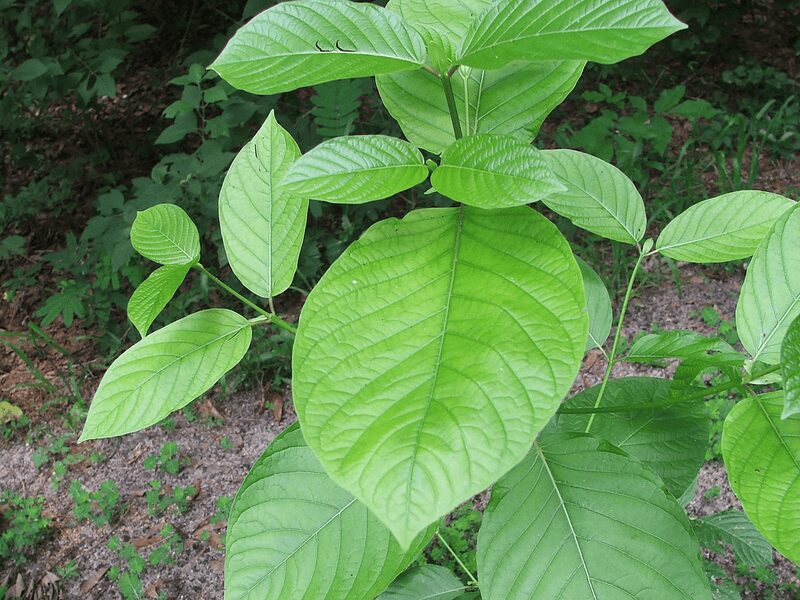
TL;DR: Yes, kratom is legal to buy, sell, and possess in Florida for adults aged 21 and over, with one major exception. Sarasota County has a local ordinance that bans kratom. At the state level, Florida passed the Kratom Consumer Protection Act (KCPA) in 2023, which regulates the industry by setting age limits and product safety standards. Looking ahead to 2026, the legal framework is expected to revolve around this statewide regulation, focusing on safe products rather than outright prohibition.
Kratom, a botanical substance derived from the leaves of the Mitragyna speciosa tree native to Southeast Asia, has seen a significant rise in popularity across the United States. In Florida, its presence in smoke shops, wellness stores, and online marketplaces is common. This growing visibility has placed it directly in the spotlight of state and local lawmakers, creating a complex and evolving legal environment for consumers and vendors alike. The conversation is no longer just about whether it should be available, but how it should be managed to ensure public safety.
The legal status of kratom in the U.S. is a patchwork of state and local rules, as there is no federal ban. The Food and Drug Administration (FDA) has not approved it for any medical use and has issued warnings about its potential risks. This federal stance has prompted states like Florida to take matters into their own hands. Instead of following the path of a complete ban, which a handful of other states have done, Florida’s legislature has moved toward regulation. This approach aims to create a safe, transparent market for adults while addressing health concerns.
What is Kratom?
Kratom (Mitragyna speciosa) is a tropical evergreen tree grown in regions such as Indonesia, Malaysia, Thailand, and Papua New Guinea. Its leaves contain active compounds, primarily mitragynine and 7-hydroxymitragynine, which produce dose-dependent effects. At low doses, kratom acts as a stimulant, promoting energy and focus, while at higher doses, it can produce sedative and opioid-like effects, including pain relief and euphoria. Traditionally, kratom has been used in Southeast Asia for medicinal purposes, such as alleviating pain, fatigue, and opioid withdrawal symptoms, or during cultural and religious ceremonies.
In the U.S., kratom is commonly sold as a powder, capsule, extract, or tea and is available in herbal stores, vape shops, online vendors, and even some bars. Despite its growing popularity, kratom remains controversial due to its potential for dependence, addiction, and overdose, particularly when combined with other substances. The lack of federal regulation has led to a patchwork of state and local laws governing its use, including in Florida.
Is Kratom Legal in Florida?
Kratom is legal to possess, use, and sell in Florida, with the exception of Sarasota County, where it has been banned since 2014 under a local ordinance classifying it as a “designer drug”. Statewide, the Florida Kratom Consumer Protection Act (KCPA), effective since July 1, 2023, regulates kratom products to ensure consumer safety. This legislation prohibits the sale of kratom to individuals under 21 years of age, mandates accurate labeling and quality standards to prevent adulteration, and grants the Florida Department of Agriculture and Consumer Services (FDACS) authority to enforce these regulations. Violations can result in penalties, including fines and license suspensions.
Key points:
- Legal Status: Kratom is legal in Florida, except in Sarasota County.
- Age Restriction: Sale to individuals under 21 is prohibited.
- Regulatory Oversight: FDACS enforces compliance with labeling and quality standards.
- Penalties: Non-compliance can lead to fines and license suspensions.
Consumers and vendors should stay informed about local ordinances and state regulations to ensure compliance with the law.
The Current Legal Status of Kratom in Florida
As of today, Florida law permits the sale and possession of kratom. The state has established a clear regulatory framework that treats kratom as a legal product for adults. This statewide policy provides a baseline of consistency for most of the state’s residents, allowing businesses to operate and consumers to make purchases without fear of state-level legal trouble, provided they adhere to the established rules.
The most significant piece of legislation shaping the state’s approach is the Florida Kratom Consumer Protection Act (KCPA). This law, signed in 2023, was a landmark decision that signaled the state’s preference for regulation over prohibition. It established several key rules for the kratom market, which has fundamentally changed how the product is sold throughout the state. The primary goal of the KCPA is to protect consumers from contaminated or adulterated products while ensuring that adults retain access.
However, the legality of kratom in Florida is not uniform. State law allows for home rule, which means counties and municipalities can enact their own ordinances that are stricter than state regulations. This is a critical detail for anyone in Florida to understand. While kratom may be legal in Miami or Orlando under state law, a local government has the authority to ban it within its jurisdiction. This creates pockets of prohibition within an otherwise legal state, requiring consumers to be aware of not just state laws but also their local city and county codes.
Understanding the Florida Kratom Consumer Protection Act (KCPA)
The Florida KCPA (House Bill 179) sets clear guidelines for the kratom industry. Its passage was a major victory for kratom advocates, including the American Kratom Association (AKA), who argue that regulation is the best way to ensure consumer safety. The law is designed to hold vendors accountable and provide transparency for buyers.
Key provisions of the Florida KCPA include:
- Age Restriction: It is illegal to sell kratom to any person under 21 years of age. This aligns kratom with other age-restricted products like tobacco and alcohol.
- Labeling Requirements: All kratom products sold in Florida must have a label that clearly lists the ingredients and the amount of mitragynine and 7-hydroxymitragynine, the plant’s primary alkaloids. This allows consumers to know exactly what they are purchasing.
- Prohibition of Adulterants: The law makes it illegal to sell any kratom product that is mixed with a dangerous or illegal substance. It also prohibits products containing synthetic alkaloids or other compounds that would alter the plant’s natural composition.
- Penalties for Violations: Businesses that violate the KCPA face significant penalties, including fines. This enforcement mechanism gives the law teeth and incentivizes compliance among vendors.
The implementation of the KCPA has professionalized the kratom market in Florida. Reputable vendors now conduct lab tests on their products to verify purity and alkaloid content, ensuring they meet the law’s requirements. This shift helps push out bad actors who might sell contaminated or mislabeled products, ultimately creating a safer environment for consumers.
The Exception: Sarasota County’s Kratom Ban
While the state embraces regulation, Sarasota County stands as the primary exception. In 2014, the county passed an ordinance that banned the sale and possession of kratom. This local law remains in effect today, making Sarasota the only county in Florida where kratom is illegal.
The Sarasota County ordinance was passed based on concerns from law enforcement and some health officials about the substance’s potential for abuse and its unknown long-term health effects at the time. The ban treats kratom similarly to synthetic drugs, placing it on a list of prohibited designer substances. Anyone caught possessing or selling kratom within Sarasota County can face legal consequences, including fines and potential jail time.
This local ban serves as a powerful example of how municipal laws can override state-level legality. Residents and visitors in the Sarasota area, which includes cities like Venice and North Port, must be aware that the kratom products legally sold in neighboring counties like Manatee or Charlotte are illegal within their borders. This situation highlights the importance of checking local ordinances before purchasing or carrying kratom in Florida, as assuming statewide legality can lead to serious legal issues.
Federal Oversight: The FDA and DEA’s Position
The actions taken by Florida and other states do not happen in a vacuum. They are heavily influenced by the ongoing conversation at the federal level, primarily driven by the Food and Drug Administration (FDA) and the Drug Enforcement Administration (DEA). Understanding the federal position provides context for why states are creating their own laws like the KCPA.
The FDA has consistently maintained a critical stance on kratom. The agency has not approved it for any medical use and has issued numerous public health advisories warning consumers about its potential risks. The FDA’s concerns center on the substance’s opioid-like properties and reports of adverse events, including addiction and, in some cases, death, though many of these cases involved other substances. The agency has also conducted seizures of kratom shipments at U.S. ports through import alerts, citing concerns about contamination and adulteration.
The DEA has also played a role in the national kratom debate. In 2016, the DEA announced its intention to classify kratom’s main alkaloids as Schedule I controlled substances, placing them in the same category as heroin and LSD. This move would have effectively banned kratom nationwide. However, the agency faced a significant public and political backlash. Tens of thousands of kratom users and advocates contacted the DEA and Congress, arguing that kratom was a vital tool for managing pain and overcoming opioid addiction. In a rare reversal, the DEA withdrew its notice of intent, opting instead to allow for a formal public comment period and further scientific review. Since then, the DEA has not moved to schedule kratom, leaving its regulation up to individual states.
The Impact of Federal Inaction on State Laws
The lack of a clear federal directive has created the legal patchwork we see today. With the DEA stepping back and the FDA focusing on warnings and enforcement against unproven medical claims, states have been left to decide their own policies. This has led to three distinct outcomes across the country:
- States with Bans: A handful of states, including Alabama, Arkansas, and Indiana, have banned kratom entirely.
- Unregulated States: Many states have no specific laws addressing kratom, leaving it in a legal gray area.
- Regulated States: A growing number of states, like Florida, Utah, and Arizona, have passed versions of the Kratom Consumer Protection Act to regulate the market.
Florida’s decision to pass the KCPA reflects a growing trend toward regulation as a middle ground. Lawmakers who support this approach believe it addresses the FDA’s safety concerns more effectively than an outright ban. By enforcing quality control, labeling standards, and age restrictions, the KCPA model aims to mitigate risks while preserving consumer access. This state-led approach is a direct response to the federal government’s inability to establish a unified national policy.
The Push for Regulation vs. Banning: A Look at 2024-2025 Legislative Efforts
The debate over kratom’s future in Florida did not end with the passage of the KCPA in 2023. The years leading up to 2026 will continue to see legislative activity, with advocates on both sides making their cases. The central conflict remains: should kratom be a regulated product available to adults, or should it be banned due to potential health risks?
The primary force advocating for regulation is the American Kratom Association (AKA). This non-profit organization has been instrumental in lobbying for the KCPA across the country. Their argument is that a regulated market is the safest market. They contend that banning kratom would only drive it underground, where products would be untested, potentially dangerous, and sold without any oversight. The AKA provides lawmakers with scientific research, consumer testimonials, and economic data to support their position. Their efforts in Florida were key to shifting the legislative conversation from a potential ban to the passage of the KCPA.
On the other side, some public health groups and law enforcement agencies continue to express caution. They often point to the FDA’s warnings and case reports of adverse health events. In past legislative sessions, bills have been introduced in Florida that sought to ban kratom statewide. These efforts have so far failed to gain enough traction to pass, largely due to the strong counter-arguments from the kratom community and the AKA. Proponents of a ban often raise concerns about the lack of long-term studies and the potential for kratom to be a gateway to other substances.
Why Regulation is Gaining Momentum
The regulatory model is gaining momentum in Florida and other states for several reasons. First, it acknowledges the reality that millions of Americans use kratom for various wellness purposes. An outright ban would criminalize a large number of citizens who believe the substance helps them. Second, the KCPA provides a clear solution to the problem of contaminated products. By requiring lab testing and proper labeling, the law directly addresses the most pressing safety concerns.
Finally, the economic argument is compelling. A legal, regulated kratom industry creates jobs and generates tax revenue. Banning it would eliminate these benefits and create new costs associated with law enforcement. For these reasons, the legislative trend in the 2024-2025 period is expected to continue favoring the refinement and enforcement of the KCPA rather than pursuing a new statewide ban. However, the possibility of more local bans, like the one in Sarasota County, remains a persistent threat if local governments feel state regulations are not sufficient.
Predicting the 2026 Florida Kratom Laws: What to Expect
Looking ahead to 2026, the legal landscape for kratom in Florida is likely to be an evolution of the current framework rather than a complete overhaul. The passage of the Kratom Consumer Protection Act in 2023 set a strong precedent for regulation over prohibition. It is highly improbable that the state legislature would reverse course and enact a statewide ban, especially as more states across the country adopt similar KCPA models.
The most probable scenario for 2026 is that Florida’s kratom laws will be centered on strengthening and enforcing the existing KCPA. This could involve several developments:
- Increased Enforcement: State agencies may step up compliance checks on vendors to ensure they are following all labeling, testing, and age verification rules. This would further legitimize the industry and weed out non-compliant sellers.
- Refinements to the Law: The legislature might consider amendments to the KCPA based on new data or industry feedback. This could include more specific guidelines on product testing, allowable alkaloid concentrations, or marketing language.
- Public Education Campaigns: State health departments could be tasked with providing balanced, evidence-based information to the public about kratom, its potential benefits, and its risks.
The primary challenge to this stable, regulated environment will continue to come from two sources: potential federal action and new local ordinances. While a federal ban seems unlikely given the DEA’s 2016 reversal, any new directive from the FDA or DEA could force Florida to reconsider its laws. More realistically, other counties could follow Sarasota’s lead and attempt to pass local bans. The success or failure of these local efforts will depend on the effectiveness of advocacy from consumers and industry groups at the county level.
The Role of Advocacy and Research
The future of Florida’s kratom laws will also be shaped by ongoing scientific research and the effectiveness of advocacy organizations. As more studies are published on kratom’s safety and efficacy, lawmakers will have a more robust body of evidence to inform their decisions. If research continues to support its potential for harm reduction and pain management, the case for keeping it legal and regulated will grow stronger.
The American Kratom Association and other consumer groups will continue to play a vital role. Their ability to organize testimony, present scientific data, and lobby lawmakers was critical to passing the KCPA. Their continued vigilance will be necessary to protect the law from being dismantled and to prevent the passage of new local bans. For consumers, staying engaged with these organizations is one of the most effective ways to help shape the future of kratom legality in Florida.
How to Safely and Legally Purchase Kratom in Florida
For Florida residents living outside of Sarasota County, purchasing kratom is a straightforward process, but doing so safely and legally requires some diligence. The KCPA has made the market safer, but the responsibility still falls on the consumer to choose reputable sources and understand the rules.
First and foremost, always verify your local laws. While the state law permits kratom, a city or county ordinance could exist. A quick search of your local municipality’s codes online or a call to your local government office can provide a definitive answer. This is the most important step to avoid any potential legal trouble.
When selecting a vendor, look for signs of compliance with the KCPA. A trustworthy seller, whether online or in a physical store, should be transparent about their products. Here are some key things to look for:
- AKA GMP Certification: The American Kratom Association has a Good Manufacturing Practices (GMP) program. Vendors who are part of this program have agreed to independent third-party audits to ensure their facilities and products meet high standards of quality and safety. This is one of the best indicators of a reputable company.
- Lab Testing Results: Reputable vendors will make lab test results for their products readily available. These tests, often called a Certificate of Analysis (COA), should verify the product’s alkaloid content and confirm that it is free from contaminants like heavy metals, pesticides, and bacteria.
- Clear and Accurate Labeling: The product label should comply with Florida’s KCPA. It must clearly state that the product contains kratom, list the alkaloid content, and include directions for use and any necessary warnings. It should not make any unapproved medical claims.
- Age Verification: A responsible vendor will strictly enforce the 21+ age requirement. If a seller does not ask for age verification, it is a major red flag that they may not be compliant with other important safety regulations.
By following these guidelines, you can confidently purchase kratom in Florida. Supporting vendors who adhere to the KCPA not only ensures you receive a safe product but also strengthens the legal, regulated market that advocates have worked hard to build.
Conclusion
The question of kratom’s legality in Florida has a clear answer: it is legal and regulated at the state level for adults 21 and over, with the notable exception of a ban in Sarasota County. The state’s adoption of the Kratom Consumer Protection Act marks a decisive shift toward a policy of safety and transparency, setting a standard for vendors and protecting consumers from adulterated products. This regulatory approach has positioned Florida as a leader in creating a responsible market for a substance that exists in a federal legal gray area.
Looking toward 2026, the foundation laid by the KCPA is expected to hold firm. The future of Florida’s kratom laws will likely focus on the enforcement and potential refinement of these existing regulations rather than a move toward prohibition. However, the legal landscape remains dynamic, with the potential for new local ordinances and shifts in the national conversation. Staying informed about both state and local laws is essential for any consumer or business involved with kratom in the Sunshine State. For now, the path forward is one of regulation, aiming to balance adult access with public health and safety.
For those harmed by kratom, legal recourse is available under Georgia’s product liability and wrongful death laws. Our Kratom Attorneys can guide related claims, though consulting a Georgia kratom attorney is advised. Fill out our secure contact form today to explore your legal options and navigate Georgia’s evolving kratom landscape.
Sources
- NBC News, “Kratom targeted in crackdowns by states and cities,” August 17, 2024.
- River Oaks Treatment, “Can You Use Kratom in Florida: Is It Legal?” November 14, 2024.
- Kats Botanicals, “Is Kratom legal in Florida? Kratom Use & Legality,” October 1, 2024.
- Florida Senate, “Senate Bill 1734 (2025),” February 27, 2025.
- SupplySide Supplement Journal, “Florida becomes 11th state to pass kratom law,” June 5, 2023.
- Choice Botanicals, “Is Kratom Legal in Florida? Full Facts,” February 12, 2024.
- Bicycle Health, “Kratom Use Statistics & Legality By State,” February 21, 2023.
- Miami Herald, “Lawmaker seeks to limit the potency of some kratom products in Florida,” January 16, 2024.
- FDA, “FDA and Kratom,” August 20, 2024.
- WhiteSands Treatment, “Is Kratom Legal in Florida? Explained,” June 19, 2024.
- Super Speciosa, “Is Kratom Legal in Florida 2024? Guide to Florida Kratom Legality,” September 17, 2024.