
TL;DR: Yes, Kratom is currently legal to buy, sell, and possess throughout the state of Texas for adults. There are no statewide age restrictions or regulations on purity or labeling. However, the legal landscape is subject to change. Advocacy groups are actively pushing for the Texas Legislature to pass the Kratom Consumer Protection Act (KCPA) to introduce safety standards and an 18+ age limit. The next legislative session in 2025 will be critical in determining the official regulations for 2026 and beyond.
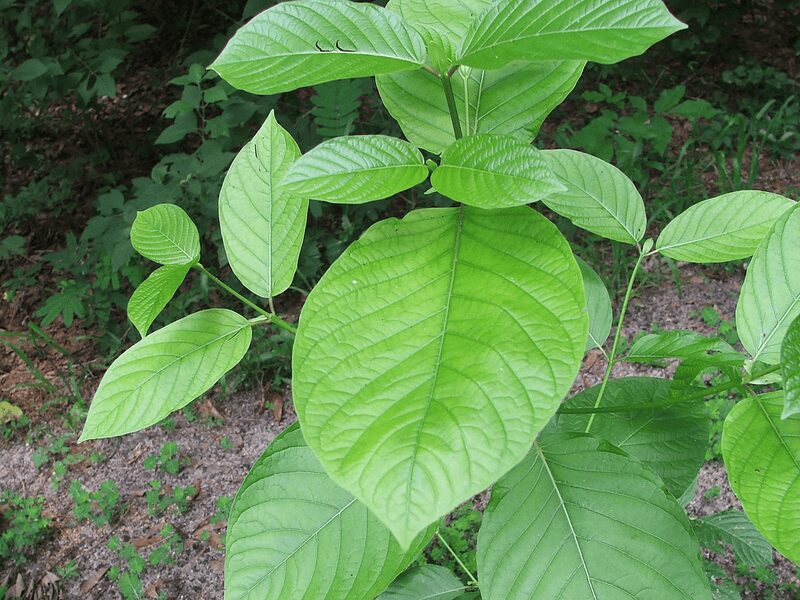
Kratom, a botanical substance derived from the leaves of the Mitragyna speciosa tree native to Southeast Asia, has seen a significant rise in popularity across the United States. In Texas, from Dallas to Houston and Austin to El Paso, specialty shops and online vendors offer a wide array of Kratom products, including powders, capsules, and extracts. This growing market exists within a complex and often misunderstood legal framework, leaving many consumers and retailers questioning its long-term stability.
The conversation around Kratom in the Lone Star State is not new. For several years, state legislators have considered various approaches to its status. Unlike some states that have enacted outright bans, Texas has so far maintained a hands-off approach at the state level. This lack of regulation has created a dual-sided issue: while access remains open, consumers face a market without standardized safety, purity, or labeling requirements. The ongoing debate sets the stage for potential changes, making the upcoming 2025 legislative session a pivotal moment for the future of Kratom in Texas.
Is Kratom Legal in Texas?
Kratom is legal in Texas for purchase, possession, sale, and use by adults over 18, under the Texas Kratom Consumer Health and Safety Protection Act (House Bill 1097), effective September 1, 2023. This law regulates kratom to ensure product safety, requiring vendors to register, provide third-party lab testing, and label products with consumption instructions and alkaloid content. Unlike states such as Alabama, Arkansas, Indiana, Rhode Island, Vermont, and Wisconsin, where kratom is banned, Texas permits its use with restrictions to protect consumers from adulterated or unsafe products.
Read/Download Texas Senate Bill 497
No local bans exist in major Texas cities like Austin, Dallas, Houston, San Antonio, or El Paso, or in counties such as Travis, Dallas, or Harris, making kratom widely accessible. However, Senate Bill 1868 (SB 1868), proposed in 2025, seeks to classify kratom as a Schedule I controlled substance, which would ban it statewide if passed. As of now, this bill has not been enacted, but it underscores the uncertain future of kratom in Texas.
Texas Senate Bill 1868 (SB 1868), introduced in 2025 by Senators Charles Perry and Royce West, proposes comprehensive regulations on kratom and related substances. The bill aims to amend the Texas Controlled Substances Act by classifying synthetic kratom alkaloids and tianeptine as Penalty Group 1 substances, effectively banning their manufacture, distribution, sale, and possession. Additionally, it seeks to regulate natural kratom products by establishing testing, labeling, and sales restrictions under a newly designated Chapter 445 of the Health and Safety Code.
Key Provisions of SB 1868:
- Testing and Labeling Requirements: Kratom products must undergo testing by ISO/IEC 17025-accredited laboratories in Texas to determine alkaloid content and detect contaminants such as heavy metals and microbes. Products must be labeled with usage directions and recommended serving sizes.
- Prohibited Products: The sale of kratom products is prohibited if they are adulterated with dangerous substances, contain synthetic alkaloids, have 7-hydroxymitragynine levels exceeding 0.1% of the total alkaloid content, or are sold in forms such as prepackaged beverages or certain prepackaged foods.
- Age and Location Restrictions: Selling kratom products to individuals under 21 years of age is classified as a Class A misdemeanor. Additionally, selling or delivering kratom products within 1,000 feet of school premises constitutes a separate Class A misdemeanor offense.
- Penalties for Non-Compliance: Violations related to testing, labeling, or sales restrictions can result in Class A misdemeanor charges. Falsifying laboratory reports is considered a third-degree felony.
The bill passed the Texas Senate on April 24, 2025, and was referred to the House Public Health Committee on April 28, 2025. As of now, it remains under consideration and has not been enacted into law.
For more detailed information, you can refer to the full text of the bill and its legislative history on the here – https://fastdemocracy.com/bill-search/tx/89/bills/TXB00077285/
Texas SB 1868 pdf
Historical Context of Kratom in Texas
Texas has historically taken a permissive stance on kratom, aligning with its reputation for prioritizing individual freedoms. Unlike states with outright bans, Texas avoided significant legislative restrictions until the passage of HB 1097 in 2023. Earlier attempts to regulate or ban kratom, such as a 2014 proposal to classify it as a Schedule I substance, failed due to advocacy from the American Kratom Association (AKA) and users who emphasized its benefits for pain management and opioid withdrawal.
In 2016, the Drug Enforcement Administration’s (DEA) attempt to classify kratom as a Schedule I substance nationally (81 Fed. Reg. 59929) was withdrawn after public backlash, including from Texas residents. This event set a precedent for maintaining kratom’s legality in the state. The passage of HB 1097 in 2023 marked a shift toward regulation rather than prohibition, reflecting Texas’s balance between consumer access and safety.
Recent Legislative Developments
Texas Kratom Consumer Health and Safety Protection Act (HB 1097)
Enacted on September 1, 2023, HB 1097, also known as the Texas Kratom Consumer Protection Act, introduced regulations to ensure safe kratom products while preserving legal access:
- Age Restrictions: Prohibits sales to individuals under 18.
- Product Safety: Bans adulterated products containing synthetic alkaloids (e.g., 7-hydroxymitragynine above 2% of total alkaloid content) or contaminants like fentanyl, heavy metals, or salmonella.
- Labeling and Testing: Requires vendors to register with the state, provide third-party lab certificates verifying product purity, and label products with alkaloid content and safe consumption instructions.
- Penalties: Violators face fines up to $500 for first offenses and $10,000 for subsequent violations, ensuring compliance.
HB 1097 aims to protect consumers from unsafe products, as highlighted by Mac Haddow of the AKA: “The manufacturer has to provide a certificate of analysis from an independent third-party laboratory that documents the product is compliant with the law”. This law has removed non-compliant products from Texas shelves, fostering a safer market.
Senate Bill 1868 (SB 1868)
Introduced in 2025, SB 1868 proposes adding kratom and its compounds (mitragynine and 7-hydroxymitragynine) to Penalty Group 1 of the Texas Controlled Substances Act (Tex. Health & Safety Code § 481.102). If passed, this would:
- Ban Kratom Statewide: Make it illegal to buy, sell, possess, or distribute kratom, with penalties including felony charges, fines up to $50,000, and up to seven years in prison.
- Impact Businesses: Threaten vendors, particularly small businesses in Austin and Dallas, with significant financial losses.
- Override HB 1097: Nullify existing regulations, criminalizing all kratom-related activities.
The bill, supported by figures like Dr. Rodney Young of Texas Tech University Health Science Center, cites health risks such as contamination, overuse, and side effects like nausea, heart palpitations, and muscle protein breakdown. However, the AKA and local advocates argue that responsible use and regulation, as per HB 1097, better serve public safety. As of June 2025, SB 1868 remains under review, with significant opposition from kratom users and businesses. Updates can be tracked via capitol.texas.gov or protectkratom.org.
SB 1868 – Senate Committee Report version PDF
Federal Context Impacting Texas
At the federal level, kratom is unscheduled under the Controlled Substances Act, meaning it is legal absent state or local bans. However, federal agencies influence Texas’s kratom market:
- FDA Oversight: The FDA considers kratom an “unsafe food additive” under 21 U.S.C. § 342, warning against its use due to risks like liver toxicity, seizures, and substance use disorder. In 2022, the FDA linked kratom to over 800 deaths nationwide, though most involved polydrug use. Import Alert 54-15 allows seizure of kratom shipments, impacting Texas vendors.
- DEA Monitoring: The DEA lists kratom as a “drug of concern” but has not scheduled it since the 2016 withdrawal. CDC data from 2022 reported 846 kratom-related deaths, with 56 solely mitragynine-related.
- Federal KCPA: Proposed in 2021 and 2023, a federal Kratom Consumer Protection Act would regulate kratom as a dietary supplement, but it has not passed, leaving states like Texas to set their own rules.
Texas’s HB 1097 aligns with federal safety concerns while avoiding a total ban, but SB 1868 could shift the state toward stricter federal-style scrutiny.
Health and Safety Concerns About Kratom in Texas
Kratom’s popularity in Texas, with an estimated 11–13 million U.S. users in 2023, drives regulatory debates. Key health concerns include:
- Addiction and Dependence: Kratom can lead to substance use disorder, with withdrawal symptoms like anxiety and cravings, per Mayo Clinic (2024).
- Organ Damage: High doses are linked to liver toxicity, kidney failure, and respiratory depression, treated at Texas hospitals like Houston Methodist or Parkland Health.
- Overdose Risks: The CDC reported 846 kratom-related deaths in 2022, often involving polydrug use, with an estimated 4,100 deaths from 2020–2022 (Washington Post, 2023). Symptoms include drowsiness, respiratory depression, and hallucinations.
- Contamination: Unregulated products before HB 1097 risked containing fentanyl, salmonella, or heavy metals, as flagged by the FDA in 2019. HB 1097’s testing requirements mitigate this.
- Side Effects: About 20% of users report mild side effects like headaches, nausea, or insomnia, with rare cases of seizures or deaths, per Dr. Katherine Cunningham of UT Medical Branch.
These risks, coupled with Texas’s large population (nearly 30 million), underscore the need for HB 1097’s regulations, though SB 1868’s potential ban threatens access.
Advocacy and Public Sentiment About Kratom
The American Kratom Association (AKA) is a leading advocate for keeping kratom legal in Texas:
- Advocacy Efforts: The AKA lobbied for HB 1097 and opposes SB 1868, promoting regulation over bans. Its website, protectkratom.org, encourages Texans to contact representatives to preserve access.
- Public Campaigns: In 2014 and 2025, AKA-led efforts blocked ban proposals, emphasizing kratom’s benefits for pain and opioid withdrawal. A 2024 Dallas News report highlighted concerns about synthetic 7-hydroxymitragynine products, prompting AKA calls for stricter enforcement of HB 1097.
- Consumer Support: Texas users, particularly in Austin and Houston, value kratom as a natural alternative to opioids, with 1.7 million Americans reporting use in 2021 (SAMHSA, 2021).
Public sentiment on X reflects confusion and division. Some users mistakenly believe kratom is banned or tied to other substances like marijuana, with one claiming, “It’s already legal in Texas and has been for a while”, while others fear SB 1868’s impact, noting Governor Abbott’s role in blocking a ban. These posts are inconclusive but highlight the need for accurate information.
Purchasing Kratom in Texas
With kratom legal under HB 1097, Texans can purchase it from various sources, but compliance with regulations is critical:
- Local Retail: Available at vape shops, smoke shops, and health stores in Austin, Dallas, Houston, and San Antonio. Examples include Cloud 9 Smoke Shop in Dallas, though some stores were found selling non-compliant 7-hydroxymitragynine products in 2024.
- Online Vendors: Preferred for quality, variety (e.g., Red Bali, Maeng Da), and lab-tested products. Vendors like Choice Botanicals, K-Tropix, and Professor Whyte’s offer HB 1097-compliant products with third-party testing.
- Safety Tips:
- Choose AKA-certified vendors or those with lab results for alkaloid content and contaminants.
- Verify compliance with HB 1097’s 2% 7-hydroxymitragynine limit and labeling requirements.
- Avoid gas station or convenience store products, which may be adulterated.
- Start with low doses (1–2 grams) and consult healthcare providers, especially if combining with medications.
Implications for Kratom Lawsuits in Texas
Kratom’s regulated but evolving status in Texas creates potential for lawsuits, particularly for harms from non-compliant products:
- Product Liability: Under Texas product liability law (Tex. Civ. Prac. & Rem. Code § 82.001), vendors or manufacturers could face claims for defective or adulterated kratom causing harm, such as liver damage or overdose. Evidence like lab tests, medical records, and FDA warnings (2019, 2022) is critical.
- Wrongful Death: Families of deceased users may file claims under Texas’s Wrongful Death Act (Tex. Civ. Prac. & Rem. Code § 71.002), alleging failure to warn or defective products. Texas’s two-year statute of limitations applies (Tex. Civ. Prac. & Rem. Code § 16.003). A Texas kratom wrongful death lawyer can help.
- Class Actions: If widespread contamination (e.g., fentanyl) is proven, class actions could consolidate claims, similar to Zantac litigation. Our Kratom Lawsuit Attorneys can guide related product liability cases, though Texas-based attorneys with kratom expertise are recommended.
- Challenges: Proving causation is complex due to polydrug use in many overdoses. Robust evidence, including autopsy reports and toxicology analyses, is essential to counter comparative negligence defenses (Tex. Civ. Prac. & Rem. Code § 33.001).
Practical Advice for Texas Residents
- Stay Informed: Monitor SB 1868’s status via capitol.texas.gov or aka.org, as a ban could take effect by late 2025.
- Buy Safely: Purchase from HB 1097-compliant vendors like K-Tropix or Choice Botanicals, ensuring lab-tested products.
- Advocate: Support AKA campaigns at protectkratom.org to oppose SB 1868 and promote regulation, contacting legislators in Austin.
- Report Adverse Effects: Use the FDA’s MedWatch program to report issues, contributing to safety data.
- Consult Professionals: Discuss kratom use with healthcare providers at facilities like UT Medical Branch or Baylor Scott & White to manage risks.
Future Outlook on Kratom Legality in Texas
Kratom’s future in Texas depends on legislative and public health developments:
- SB 1868 Outcome: If passed, a ban could criminalize kratom by late 2025, impacting users and businesses. Strong AKA opposition may block it, as in 2014.
- Further Regulation: Texas could strengthen HB 1097 with stricter testing or age limits (e.g., 21+), following states like Tennessee.
- Federal Influence: A federal KCPA or DEA scheduling could override Texas laws, affecting availability.
- Public Health: Rising overdoses (846 in 2022) or contamination incidents could push legislators toward a ban, especially if Texas hospitals report increased cases.
What to Expect in the 2025 Texas Legislative Session
All eyes are on the 89th Texas Legislature, which will convene in January 2025. Because the legislature meets only once every two years, this session represents the next major opportunity to formally define the future of Kratom in the state. Any laws passed during this session will directly shape the regulatory environment for 2026. Based on historical trends and current advocacy efforts, several scenarios are possible.
The most anticipated development is the reintroduction of a bill based on the Kratom Consumer Protection Act (KCPA). Advocacy groups have been working during the interim period to build broader bipartisan support and refine the legislative language from the 2023 attempt. The momentum behind the KCPA model is strong, as it presents a data-driven, safety-oriented solution. Lawmakers who were previously undecided may see it as a responsible compromise that addresses public health without resorting to a ban that would be unpopular with many of their constituents.
A successful KCPA bill in 2025 would mean that by 2026, Texas would transition from an unregulated market to a regulated one. This would involve a period of implementation where state agencies would establish the specific rules for testing, labeling, and vendor registration. Consumers would begin to see standardized, higher-quality products on shelves, and businesses would have clear guidelines to follow.
Other Potential Scenarios
While the KCPA is the most likely outcome, it is not the only possibility. Other scenarios for the 2025 session include:
- Maintaining the Status Quo: It is possible that no Kratom-related bill will make it through the entire legislative process. Lawmakers face many competing priorities, and if a consensus cannot be reached, the issue could be pushed to the 2027 session. In this case, Kratom would remain legal and unregulated in Texas through 2026.
- A Renewed Push for a Ban: Though less likely than in previous years, an attempt to ban Kratom cannot be entirely ruled out. A high-profile negative incident or a shift in the political climate could embolden prohibitionist lawmakers to introduce another bill similar to the one from 2021. However, the growing base of organized consumer advocates makes passing a ban more difficult than ever before.
- A Study or Commission: A third possibility is that the legislature could pass a bill to create a commission or task force to formally study Kratom’s public health impact in Texas. This is often used as a delay tactic or a genuine effort to gather more state-specific data before making a final decision. This would likely maintain the legal status quo for the short term while setting the stage for a more informed debate in 2027.
For consumers and vendors, the 2025 session will be a critical period to monitor. The outcome of these legislative debates will determine whether Texas joins the growing list of states that have chosen to regulate Kratom for consumer safety.
Navigating Local Regulations and Ensuring Safe Consumption
While the state-level debate continues, consumers in Texas can take proactive steps today to ensure they are purchasing and using Kratom safely and responsibly. In the absence of state regulations, the burden falls on the individual to be a discerning customer. This means doing your homework and prioritizing vendors who have voluntarily adopted the highest safety standards.
The most reliable indicator of a quality vendor is certification through the American Kratom Association’s GMP (Good Manufacturing Practices) Standards Program. This is a voluntary program where vendors agree to have their manufacturing processes and products audited by an independent third party. To be certified, a vendor must meet strict requirements for testing, labeling, and facility cleanliness.
When looking for a safe Kratom source, you should:
- Look for AKA GMP Certification: Check the vendor’s website for the AKA GMP Qualified Vendor seal. The AKA maintains a list of participating companies on its website.
- Request Lab Results: Reputable vendors make third-party lab results (often called a Certificate of Analysis or CoA) available for their products. These reports should confirm that the product is free from heavy metals, microbial contaminants, and shows the alkaloid profile.
- Avoid Unsubstantiated Health Claims: Be wary of any company that markets Kratom as a cure or treatment for any medical condition. This is illegal and a major red flag.
- Start with a Low Serving Size: If you are new to Kratom, it is essential to start with a small serving size to see how it affects you. Responsible consumption is key to a safe experience.
Checking for Local Rules
Although no major Texas cities have banned Kratom, the legal landscape can always change. Before making a purchase, especially if you live in a smaller town or municipality, it is a good practice to do a quick search of your local government’s website. You can search for city or county ordinances related to “Kratom” or “Mitragyna speciosa.” While it is unlikely you will find any restrictions in Texas at this time, being an informed citizen is always the best policy. By choosing high-quality, lab-tested products from reputable vendors, you are not only protecting yourself but also supporting the part of the industry that is advocating for sensible, safety-focused regulations for everyone.
The Future Outlook: Texas Kratom Regulations by 2026 and Beyond
Looking ahead to 2026, the legal status of Kratom in Texas is poised for a significant update. The era of the completely unregulated market appears to be drawing to a close as the push for consumer protection gains unstoppable momentum. The legislative groundwork laid in 2023 has set a clear precedent, shifting the conversation from “should we ban it?” to “how should we regulate it?” This marks a mature phase in the public and political understanding of Kratom.
The most probable scenario is that by 2026, Texas will have passed and begun implementing its own version of the Kratom Consumer Protection Act. This would align the state with a growing national standard focused on safety, transparency, and adult-only access. Consumers would benefit from knowing that the products on the shelves have been tested for contaminants and are accurately labeled. Responsible businesses would operate on a level playing field, and state regulators would have the tools to remove bad actors from the market. This outcome represents a victory for public health and personal freedom.
While the path to regulation seems clear, the journey through the 2025 legislative session will require continued vigilance from consumers and advocates. The details of any proposed KCPA bill will matter immensely. Debates may arise over the appropriate age limit (18 vs. 21), the specific contaminants to test for, and the fee structures for vendor registration. The final form of the law will be shaped by testimony, lobbying, and the political dynamics of the session. The status quo could persist if the bill stalls, but the pressure to act is mounting. An outright ban remains a remote but ever-present possibility, a reminder of what is at stake. For now, Kratom remains legal in Texas, but the future points toward a safer, more transparent, and regulated market for all.
The legal journey of Kratom in Texas is a clear example of how public opinion and organized advocacy can shape policy. The initial legislative reflex was to prohibit, but an informed and engaged citizenry successfully argued for a more thoughtful approach. The next chapter, likely to be written in 2025, will determine the precise rules that will govern the Texas Kratom market for years to come.
If you are a Texas resident who wants to see a safe and regulated Kratom market, it is important to stay informed. Follow updates from organizations like the American Kratom Association and consider respectfully contacting your state representative and senator to share your perspective on the importance of the Kratom Consumer Protection Act. Your voice is a crucial part of ensuring that future regulations are fair, effective, and focused on consumer safety.
Conclusion
As of June 2025, kratom is legal in Texas under the Texas Kratom Consumer Health and Safety Protection Act (HB 1097), which regulates sales to ensure safety for adults over 18. Residents in Austin, Dallas, Houston, and beyond can buy, possess, and use kratom, but Senate Bill 1868 threatens a potential ban by classifying it as a Schedule I substance. Advocacy from the American Kratom Association and consumers emphasizes regulation over prohibition, citing kratom’s benefits for pain and opioid withdrawal. Texans must stay vigilant, purchase from compliant vendors, and monitor legislative changes to protect access.
For those harmed by kratom, such as through contaminated products or overdoses, legal recourse is available under Texas product liability and wrongful death laws. Our Texas kratom Lawsuit Attorneys can provide guidance on similar product liability claims, though consulting a Texas attorney with kratom expertise is advised. Fill out our secure contact form today to explore your legal options and navigate Texas’s evolving kratom landscape.